Losing belly fat is a goal for many people, but it often feels confusing and difficult. You may have tried diets, exercises, or even special pills, and still found that your belly fat just won’t go away. The truth is, there is no magic solution.
But with the right knowledge, you can make real progress. This article will guide you step-by-step through proven methods to lose belly fat safely and effectively. Whether you want to improve your health, boost your confidence, or just fit better in your clothes, you’ll find clear advice here for beginners.
Know first your Ideal Weight before start.
Understanding Belly Fat
Belly fat is more than just an appearance issue. It’s important to know that there are two main types of belly fat:
- Subcutaneous fat: This is the soft layer under your skin. You can pinch it with your fingers.
- Visceral fat: This fat is deeper. It surrounds your organs inside your belly.
Visceral fat is more dangerous. It increases the risk of heart disease, type 2 diabetes, and other health problems. While you cannot target belly fat directly (spot reduction doesn’t work), you can reduce overall body fat, which helps shrink your waistline.
Why Does Belly Fat Accumulate?
Many factors cause belly fat:
- Eating more calories than you burn
- Lack of physical activity
- Genetics (your family history)
- Stress and poor sleep
- Hormonal changes (like menopause)
Understanding the cause helps you choose the right strategy.
Setting Realistic Goals
It’s easy to get discouraged if you expect quick results. Healthy fat loss is about 0.5 to 1 kg (1 to 2 lbs) per week. Losing too fast can harm your body and often leads to regaining weight.
Measuring Progress
Don’t trust the scale alone. Measure your waist with a tape measure around your belly button. Track changes every 2-4 weeks.

Credit: www.bocamedicalcare.com
Building A Belly Fat Loss Plan
To lose belly fat, you need a combination of diet, exercise, and lifestyle changes. Let’s break these down.
Check your BMI here for make the proper plan.
Nutrition: What To Eat And Avoid
Create A Calorie Deficit
The most basic rule is: burn more calories than you eat. This is called a calorie deficit. You don’t need to starve yourself. Small changes, like eating 300-500 calories less per day, work better than extreme diets.
Example Of A Calorie Deficit
If you need 2,000 calories to maintain your weight, eating 1,700-1,800 calories daily will slowly reduce your weight.
Focus On Whole Foods
Eating whole foods helps you feel full and nourished. These include:
- Vegetables: Broccoli, spinach, carrots
- Fruits: Apples, berries, oranges
- Lean proteins: Chicken breast, fish, tofu
- Whole grains: Brown rice, oats, quinoa
- Healthy fats: Olive oil, nuts, avocado
Avoid Added Sugar And Refined Carbs
Sugar and refined carbs increase belly fat and hunger. Common examples are:
- Sodas and sweet drinks
- Pastries and white bread
- Candy and desserts
Instead, choose foods with natural sugars (like fruit) and whole grains.
Protein: Your Secret Weapon
Eating enough protein can reduce cravings and protect your muscles while you lose fat. Aim for 1.2 to 2 grams of protein per kg of body weight each day.
Example:
If you weigh 70 kg, eat 84-140 grams of protein daily.
Simple Meal Plan Example
Here’s a beginner-friendly day:
- Breakfast: Oatmeal with berries and a boiled egg
- Lunch: Grilled chicken salad with olive oil
- Snack: Greek yogurt with nuts
- Dinner: Baked salmon, brown rice, steamed broccoli
Physical Activity: Moving To Burn Fat
Why Exercise Matters
Exercise helps you burn calories, reduce stress, and keep muscle as you lose fat. Both cardio and strength training play important roles.
Cardio For Fat Loss
Cardio means activities that raise your heart rate. Examples:
- Brisk walking
- Running
- Cycling
- Swimming
Aim for at least 150 minutes of moderate cardio per week (about 30 minutes, 5 days per week).
Strength Training Builds Muscle
Muscle burns more calories than fat, even when you rest. Strength training includes:
- Bodyweight exercises: Push-ups, squats
- Resistance bands
- Weight lifting
Start with 2-3 sessions per week. Focus on full-body workouts.
Combining Cardio And Strength
Doing both cardio and strength gives the best results. For example, walk for 30 minutes, then do a 15-minute bodyweight workout.
Example Exercise Schedule
| Day | Activity | Duration |
|---|---|---|
| Monday | Brisk Walking + Bodyweight Exercises | 45 min |
| Wednesday | Cycling | 30 min |
| Friday | Strength Training (Full Body) | 40 min |
| Saturday | Jogging or Swimming | 30 min |
Lifestyle Changes That Help Lose Belly Fat
Sometimes, small habits make a big difference. Here’s what to focus on:
Get Enough Sleep
Lack of sleep changes hormones and makes you hungrier. Adults need 7-9 hours of good sleep each night.
Manage Stress
Stress increases cortisol, a hormone that stores fat in the belly. Try:
- Deep breathing
- Meditation
- Yoga
- Talking to friends
Drink Plenty Of Water
Drinking water before meals helps you eat less. Replace sugary drinks with water for easy calorie savings.
Limit Alcohol
Alcohol is high in calories and can add fat to your belly. Try to drink less, or choose lower-calorie options.
Stay Consistent
Consistency is more important than perfection. Even if you have a “bad” day, get back on track the next day.
Common Myths About Belly Fat Loss
Many people believe things that are not true about belly fat. Let’s clear up some myths.
Myth 1: You Can Target Belly Fat With Ab Exercises
Doing lots of crunches or sit-ups will not burn belly fat directly. These exercises strengthen muscles, but fat loss comes from overall calorie burning.
Myth 2: Fat-burning Pills Work
Most “fat burner” pills are not effective, and some are unsafe. Focus on food and exercise instead.
Myth 3: Skipping Meals Helps
Skipping meals often backfires. You may get too hungry and overeat later. Regular, balanced meals work better.
Myth 4: Carbs Are The Enemy
Carbs are not bad. The type and amount matter. Whole grains and fruits are good for you.
Tracking Your Progress
Staying motivated is easier when you see results. But weight can change for many reasons, even when you do everything right. Here’s how to track progress:
- Waist Measurement: Use a tape measure every 2-4 weeks.
- Photos: Take a picture from the front and side every month.
- How Clothes Fit: Notice if your pants feel looser.
- Energy Levels: Feeling more energetic is a sign of success.
Weight Vs. Fat
Muscle weighs more than fat. Sometimes, the scale stays the same, but your belly gets smaller. That’s a good thing!

Credit: www.bocamedicalcare.com
Beginner Mistakes To Avoid
Many beginners give up because they make simple mistakes. Here are some to watch out for:
1. Focusing Only On The Scale
Don’t panic if your weight goes up or stays the same. Look for other signs of progress, like smaller waist, more energy, or better sleep.
2. Expecting Quick Results
Belly fat does not disappear overnight. Patience and consistency win in the end.
3. Trying Fad Diets
Very low-calorie or “detox” diets usually fail. They can slow your metabolism and make you feel tired.
4. Not Eating Enough Protein
Low protein can lead to muscle loss. Keep protein high to protect your muscles.
5. Doing Only Cardio
Cardio is great, but strength training is needed for best results.
6. Underestimating Sleep And Stress
Ignoring sleep and stress slows your progress. Make them a priority.
Realistic Timelines: What To Expect
How long will it take to lose belly fat? For most people, you’ll see changes in 8-12 weeks with steady effort. Here’s a realistic timeline:
| Time | What Happens |
|---|---|
| Weeks 1-4 | More energy, better sleep, small changes in waist size |
| Weeks 5-8 | Pants feel looser, belly starts to shrink |
| Weeks 9-12 | Visible reduction in belly fat, improved confidence |
Advanced Tips For Faster Progress
Once you have the basics, these tips can help you go further:
Try Interval Training
Instead of steady cardio, try interval training. For example, walk fast for 1 minute, then slower for 2 minutes. Repeat for 20-30 minutes. This burns more fat in less time.
Track Your Food
Use a free app or write down what you eat. Many people eat more than they realize. Tracking helps you see patterns and make better choices.
Increase Daily Activity
Small things add up. Take the stairs, park farther away, or stand up while talking on the phone.
Eat Mindfully
Eat slowly, without distractions. This helps you notice when you’re full and prevents overeating.
Comparing Popular Diets For Belly Fat
Many diets promise fast fat loss, but which ones work best for beginners?
| Diet | How It Works | Pros | Cons |
|---|---|---|---|
| Low-Carb (e.g., Keto) | Limits carbs, focuses on fat and protein | Quick results, less hunger | Hard to maintain, possible side effects |
| Mediterranean | Emphasizes vegetables, fish, olive oil | Easy to follow, heart-healthy | Slower weight loss |
| Intermittent Fasting | Eat only in certain hours (e.g., 8-hour window) | Simple, no calorie counting | Hunger in fasting periods |
| Calorie Counting | Track and limit daily calories | Flexible, works for all foods | Can feel tedious |
For most beginners, the Mediterranean diet or simple calorie reduction is easiest to stick with.
When To See A Doctor
Most people can lose belly fat with diet and exercise, but sometimes there’s an underlying health problem. You should talk to a doctor if:
- You lose weight too quickly without trying
- You have other symptoms (like pain or fever)
- You have medical conditions (like diabetes or thyroid problems)
A doctor can help rule out issues and give you personalized advice.
Two Key Insights Beginners Often Miss
1. The Importance Of Consistency Over Perfection
Many beginners quit after a few mistakes. But missing one workout or eating a dessert does not ruin your progress. The secret is to keep going. Small, steady changes beat short-term effort every time.
2. The Power Of Non-exercise Activity
You don’t have to spend hours in the gym. Activities like cleaning, gardening, or walking the dog burn calories too. Increasing movement in daily life can make a big difference in belly fat loss.
Reliable Resources For Further Learning
If you want more detail, check resources like the Centers for Disease Control and Prevention (CDC). They offer practical tips and science-backed advice.
Frequently Asked Questions
How Long Does It Take To Lose Belly Fat?
For most beginners, you will see some changes in your belly after 8-12 weeks of consistent diet and exercise. Progress depends on your starting point, effort, and genetics. Remember, slow and steady is best for lasting results.
Can You Lose Belly Fat Without Exercise?
Yes, you can lose some belly fat by eating fewer calories, but exercise will help you lose more and keep it off. Exercise also protects your muscles and improves your health. Even walking daily is a good start.
Do Certain Foods Burn Belly Fat?
No food burns belly fat by itself. Some foods (like protein, vegetables, and whole grains) help you feel full and support fat loss. Avoid foods high in sugar and refined carbs for best results.
Why Is Belly Fat Harder To Lose Than Other Fat?
Belly fat is affected by hormones, age, and genetics. Your body often burns fat from other areas first. This is normal. Keep going, and eventually, your belly fat will reduce.
Are Fat-burning Supplements Safe?
Most “fat-burning” supplements are not safe or effective. They can have side effects like high blood pressure or heart problems. Stick to real food and regular exercise for the best and safest results.
Losing belly fat takes time, patience, and the right habits. Focus on eating well, moving more, and making small changes you can keep. You don’t need fancy diets or hard workouts—just the right information and steady effort. Your journey starts with one simple change today.
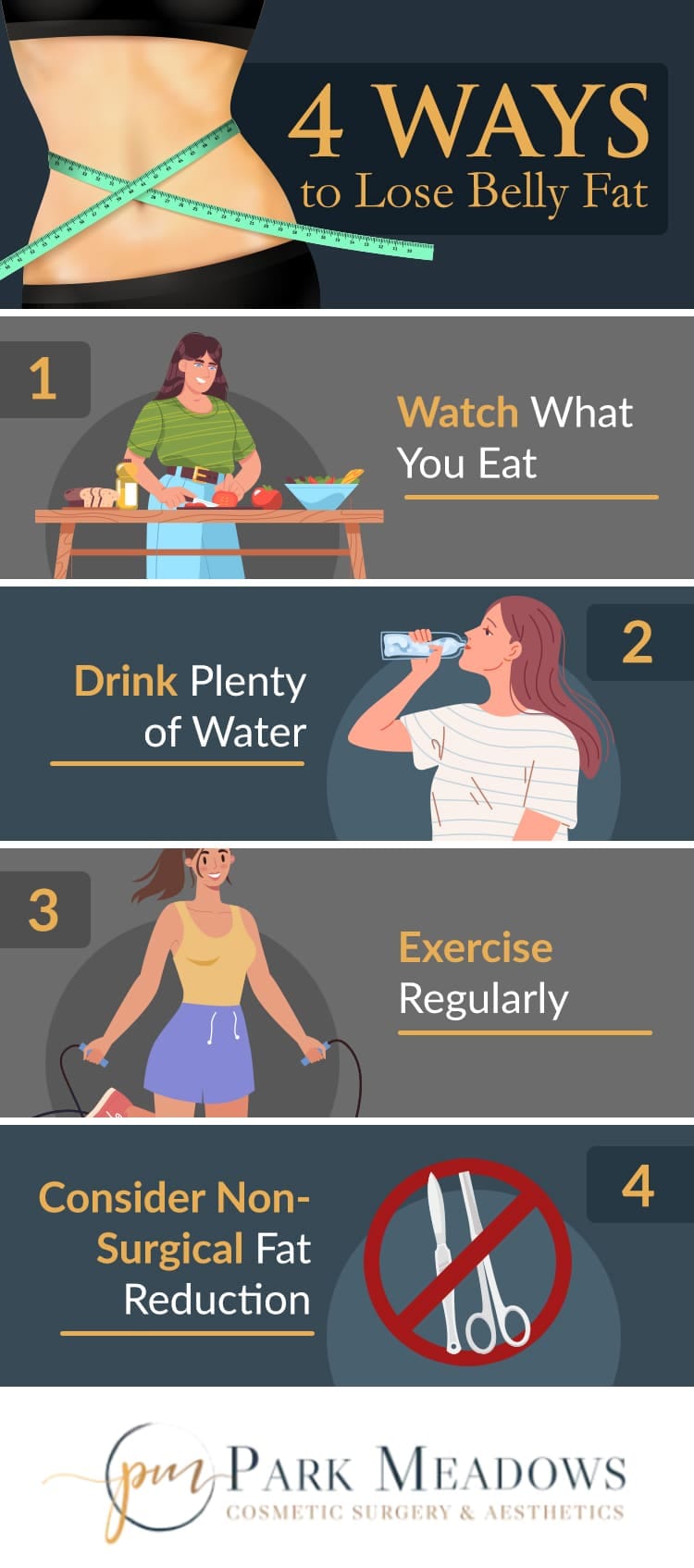
Credit: www.parkmeadowsaesthetics.com