Most of us have stood in the skincare aisle holding two products, not quite sure which one to put back. Argan oil and shea butter are both popular, both natural, and both have a long track record of delivering real results. So what is the difference, and which one should you actually be using?
Short answer: it depends on your skin. Neither one wins across the board. Each ingredient has specific strengths, and the right pick comes down to what your skin actually needs. This guide covers both from top to bottom so you can stop guessing and start seeing results.
What Is Argan Oil?
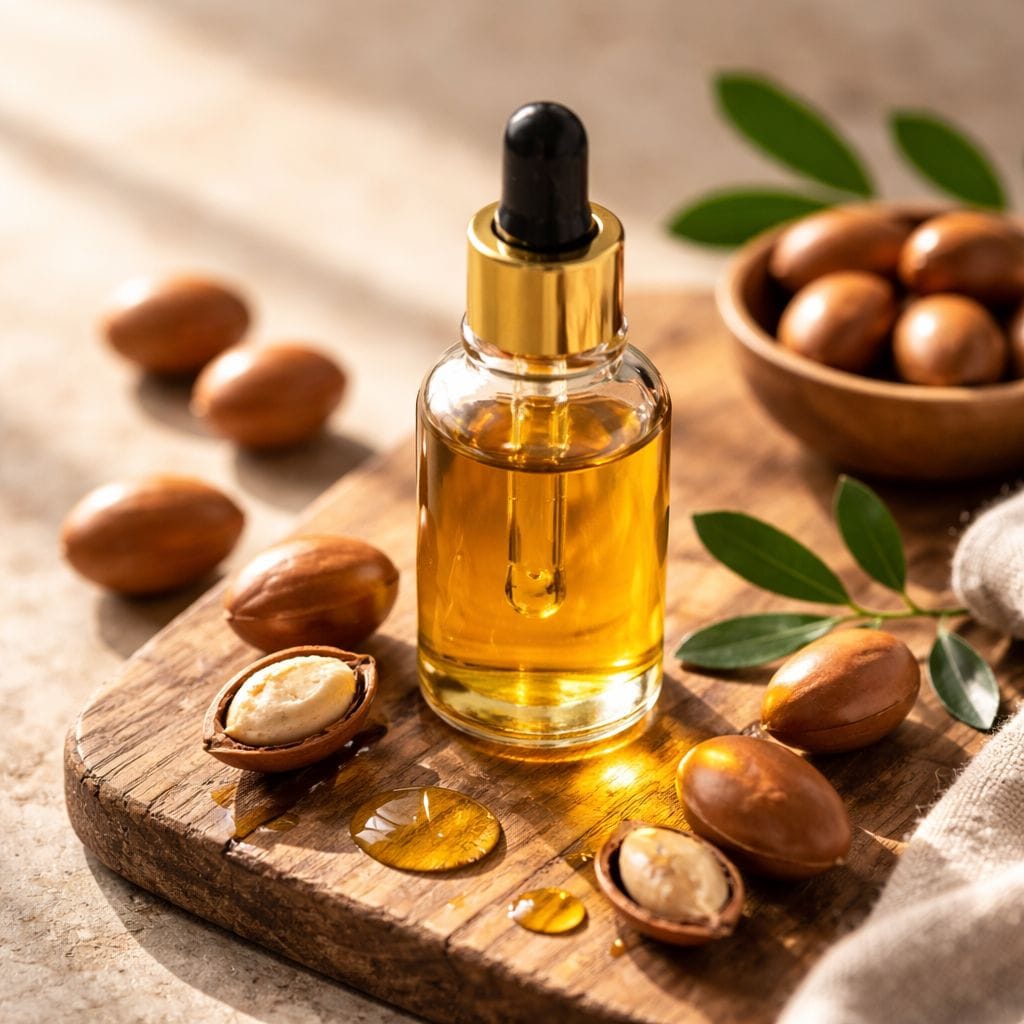
Argan oil comes from the kernels of the argan tree, which grows in Morocco. It has been used there for centuries in cooking and skincare alike, and the global beauty industry caught on in the early 2000s. Today it shows up in everything from hair serums to face oils to nail treatments.
The reason it works so well comes down to its composition. Argan oil is high in Vitamin E, oleic acid, linoleic acid, and antioxidants. Together, these nutrients hydrate the skin, support its natural repair process, and help protect against everyday environmental damage. The texture is light, it absorbs fast, and it does not leave that greasy film that heavier oils tend to leave behind.
Here is what argan oil does best:
- Hydrates without clogging pores
- Helps reduce the appearance of fine lines with regular use
- Protects skin from pollution and UV-related oxidative stress
- Controls frizz and adds shine when used on hair
- Works well on the face, neck, and hands
What Is Shea Butter?
Shea butter comes from the nuts of the shea tree, native to West Africa. It has been a staple in African beauty traditions for thousands of years. Today it is one of the most widely used moisturizing ingredients on the market, and for good reason.
Unlike argan oil, shea butter is solid at room temperature. It is thick, rich, and occlusive, meaning it forms a protective seal over the skin to keep moisture from escaping. It contains Vitamins A, E, and F, along with stearic and oleic fatty acids that nourish the skin deeply and help maintain its natural barrier.

Here is where shea butter really shines:
- Delivers long-lasting, intense moisture for dry and very dry skin
- Soothes inflammation and irritation, making it helpful for eczema and psoriasis
- Supports skin elasticity, often used on stretch marks
- Repairs rough, cracked skin on heels, elbows, and lips
- Gentle enough for sensitive skin, including baby skin
Argan Oil vs. Shea Butter: Side-by-Side Comparison
Here is a quick look at how the two stack up across the most important categories.
| Feature | Argan Oil | Shea Butter |
|---|---|---|
| Texture | Lightweight liquid oil | Thick, solid butter |
| Absorption | Fast, non-greasy | Slow, sits on skin longer |
| Best Skin Type | Oily, combination, mature | Dry, sensitive, eczema-prone |
| Pore Safety | Rating 0, won’t clog pores | Rating 0 to 2, low risk |
| Best Use | Face, hair, light daily moisture | Body, hands, heels, lips |
| Anti-Aging | Strong (antioxidants, Vitamin E) | Moderate (Vitamins A and E) |
| Scent | Mild, slightly nutty | Earthy, slightly smoky |
| Price Range | $8 to $30+ (small bottles) | $5 to $20 (larger quantities) |
Which One Works Best for Your Skin Type?
This is really where the decision gets made. Once you know your skin type, the answer usually becomes pretty clear.
Oily or Acne-Prone Skin
Argan oil is the better fit here. It is lightweight and absorbs quickly, so it does not sit on top of the skin or contribute to congestion. Its comedogenic rating is 0, which means it will not clog pores. Shea butter, while low-risk for most people, is too heavy for skin that is already producing excess oil.
Dry or Very Dry Skin
Shea butter is the stronger choice for seriously dry skin. It creates a physical barrier that holds moisture in for hours, which is exactly what dry skin needs. If your skin feels tight after washing or looks flaky in cold weather, shea butter will do a lot more for you than argan oil on its own.
Sensitive or Eczema-Prone Skin
Shea butter has a slight edge here. It contains natural anti-inflammatory compounds that help calm redness and irritation. Raw, unrefined shea butter is also fragrance-free, which matters when your skin tends to react to added ingredients. That said, argan oil is gentle too and is well-tolerated by most sensitive skin types.
Normal or Combination Skin
You can use argan oil for daily all-over hydration and save the shea butter for specific problem areas like dry elbows, rough knees, or cracked heels. This way you get targeted treatment where you need it without over-moisturizing the rest of your skin.
Mature Skin
Argan oil tends to be the better choice for aging skin. Its antioxidant content helps protect against the kind of oxidative stress that speeds up skin aging, and Vitamin E supports elasticity over time. Its lighter texture also makes it easier to apply consistently on the face without the heaviness that shea butter can bring.
Can You Use Both at the Same Time?
Yes, and a lot of people do. These two ingredients actually work well together when you layer them in the right order.
Start with argan oil. It has a thinner consistency and behaves more like a serum, so it should go on first and be given a minute or two to absorb. Then follow up with a small amount of shea butter to seal everything in. This layering method keeps moisture locked in longer than either ingredient can do on its own.
If you want to keep things simple, you can also blend them into a DIY body butter. A common ratio is two parts raw shea butter to one part argan oil. Whip them together until smooth and use the mixture on dry areas like your legs, arms, and feet. It absorbs faster than straight shea butter and feels less greasy than using argan oil alone.
How to Pick a Quality Product
The ingredient matters, but so does the quality of the product you buy. Here is what to look for with each one.
Shopping for Argan Oil
- Look for “100% pure” or “cold-pressed” on the label
- Buy products packaged in dark amber or green glass bottles to protect the oil from light degradation
- The ingredient list should read Argania Spinosa Kernel Oil and very little else
- Skip anything labeled “argan oil blend,” which usually means the actual argan content is minimal
Shopping for Shea Butter
- Choose “unrefined” or “raw” shea butter whenever possible. Refining strips away a lot of the nutrients that make it effective
- Grade A shea butter is ivory or off-white in color and considered the highest quality
- The smell should be mild and faintly nutty. A strong chemical scent is a sign of heavy processing
- Avoid products that contain mineral oil, parabens, or added synthetic fragrance
Product Recommendations
When it comes to either ingredient, purity matters more than the price tag. A few things worth keeping in mind when you shop:
For argan oil: Look for 100% pure, USDA-certified organic options sold in dark glass bottles. Brands that work directly with Moroccan cooperatives tend to offer better quality and more ethical sourcing.
For shea butter: Raw, unrefined Grade A shea butter from West Africa is widely available on Amazon and at most health food stores. Keep the ingredient list short. If there are more than two or three items on it, look for another option.
And regardless of which one you buy, do a patch test first if your skin tends to react to new products.
Frequently Asked Questions
Is argan oil or shea butter better for dry skin?
For very dry skin, shea butter tends to work better. It is thick and occlusive, which means it holds moisture in for a longer period of time. Argan oil is a good option for mild dryness, especially on the face, but shea butter delivers more intensive hydration for the body.
Can I use argan oil and shea butter on my face?
You can use both, though they serve different purposes on the face. Argan oil is a natural fit because it is lightweight and non-comedogenic. Shea butter is heavier and works better as a targeted treatment, like on very dry patches or the lips. Using shea butter all over your face, especially if you have oily or combination skin, can feel too heavy.
Which one is better for stretch marks?
Shea butter is the go-to choice for stretch marks. Its fatty acid content supports skin elasticity, which is what you need when skin has been stretched. Argan oil can help as a complementary product, but most people see better results with consistent use of shea butter over time.
Does shea butter clog pores?
It has a low comedogenic rating of 0 to 2, so most people do not have problems with it. That said, if you have oily or acne-prone skin, it is worth doing a patch test before you put it on your face. For body use, pore clogging is rarely a concern for most skin types.
Is argan oil good for anti-aging?
It is a solid choice for aging skin. Argan oil is high in Vitamin E and antioxidants, which help fight the free radical damage that contributes to fine lines and uneven skin tone. With regular use, it can help improve texture and support a more even, firm appearance over time.
Which one is more affordable?
Shea butter is usually the better deal. You can often find a pound of raw shea butter for somewhere between five and twenty dollars. Argan oil tends to cost more, typically ten to thirty dollars for a small bottle, because the extraction process is time-intensive and the trees are found almost exclusively in Morocco.
Final Thoughts
Argan oil and shea butter are both worth having in your routine. They are not competing products so much as they are a complementary pair. Argan oil handles the lighter daily work: hydrating your face, taming your hair, and protecting skin that does not need heavy moisture. Shea butter steps in for the heavy lifting: deeply moisturizing dry body skin, soothing irritation, and sealing in hydration overnight.
If you can only pick one, let your skin type steer the decision. Oily or acne-prone skin does better with argan oil. Very dry or sensitive skin tends to respond well to shea butter. And if budget allows, using both together gives you a well-rounded approach that covers more ground than either one alone.
Both ingredients have been around for centuries. That kind of staying power usually means they work.