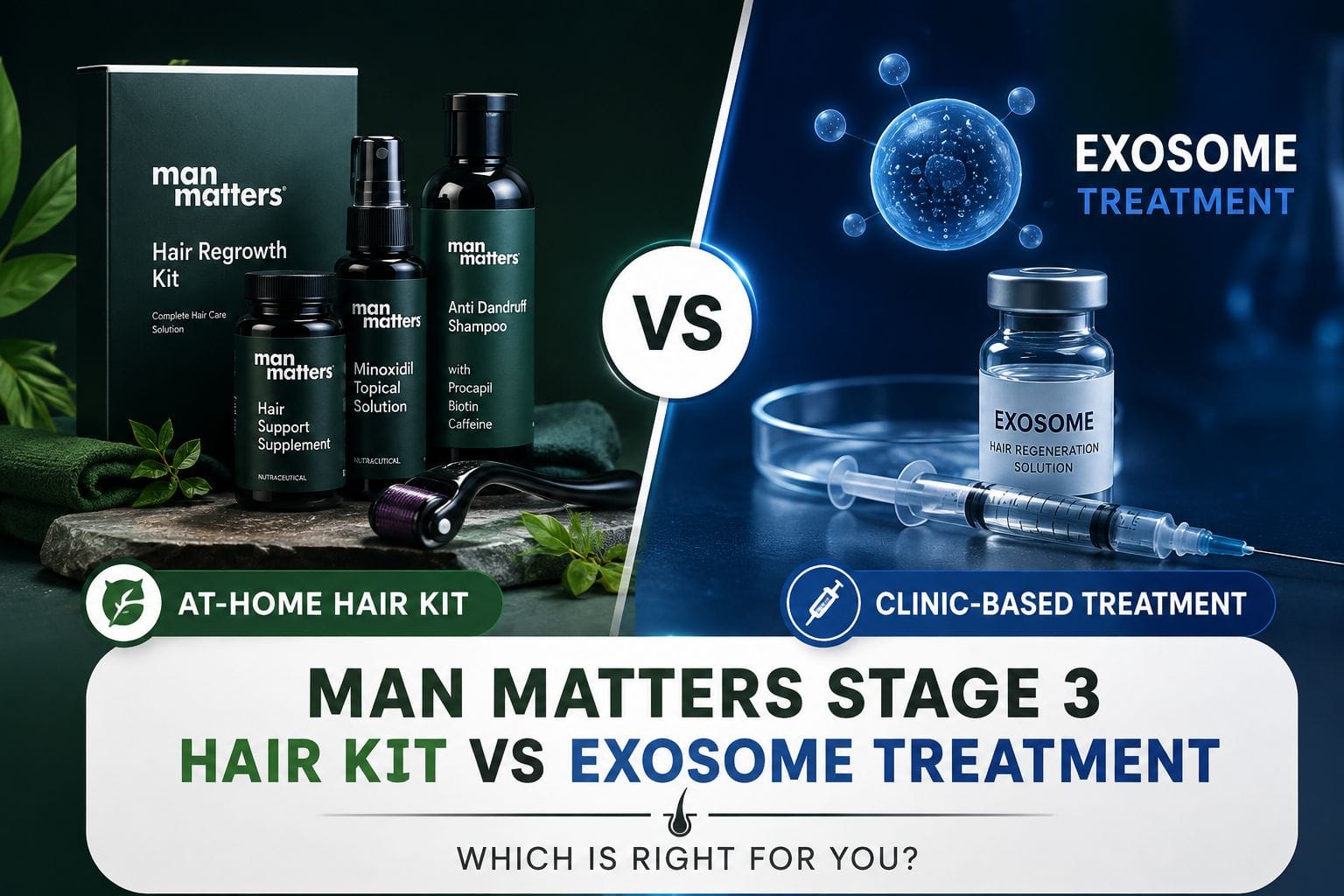
Hair fall is one of those things you notice slowly and then all at once. One morning you look at your brush or the shower drain and realize something is off. If that sounds familiar, you are not alone. Millions of Americans deal with hair loss every year, and the search for real, affordable solutions has never been higher.
The good news is that many causes of hair fall respond well to home-based care. You do not always need a prescription or an expensive salon treatment to see real improvement. What you do need is consistency, the right ingredients, and a clear understanding of what is actually going on with your hair.
This guide covers the most effective home remedies for hair fall and regrowth, the foods that support healthy hair growth, a ready-to-follow weekly routine, and the warning signs that mean it is time to see a doctor. Results typically start showing within 4 to 8 weeks, with more significant changes visible at the 3 to 6 month mark.
What Is Actually Causing Your Hair to Fall Out
Before jumping into remedies, it helps to understand why your hair is falling out in the first place. The cause matters because different triggers respond to different treatments.
Hormonal Changes
Hormones are one of the most common culprits, especially for women. Pregnancy, childbirth, menopause, and thyroid disorders can all disrupt the hair growth cycle. A condition called telogen effluvium pushes hair follicles into a resting phase all at once, leading to noticeable shedding weeks or months after a major hormonal event.
Nutritional Deficiencies
Your hair needs iron, zinc, biotin, and vitamins A, C, D, and E to grow properly. When your diet falls short in any of these areas, the follicles are often the first to feel it. Low iron is a particularly common cause of hair thinning in American women, and it is frequently overlooked.
Chronic Stress
Stress does not just affect your mood. It can physically trigger hair loss by pushing large numbers of hair follicles into a premature resting state. This type of hair loss, called stress-induced telogen effluvium, usually shows up about 2 to 3 months after the stressful period.
Genetics
Androgenetic alopecia, commonly called male or female pattern baldness, is inherited and affects both men and women. It typically shows up as a receding hairline in men and overall thinning at the crown in women. While home remedies cannot reverse genetics entirely, they can slow the process and improve scalp health significantly.
Heat and Chemical Damage
Frequent use of blow dryers, flat irons, curling wands, and harsh chemical treatments can weaken the hair shaft and lead to breakage that looks a lot like hair loss. If your ends are splitting and snapping off, damage rather than follicle issues may be the primary cause.
10 Home Remedies for Hair Fall and Regrowth That Actually Work

These are not random folk remedies. Each one below has either scientific backing, a long track record of use, or both. Apply them consistently and give them time to work.
1. Onion Juice
Onion juice is one of the most studied natural treatments for hair loss. It is rich in sulfur, which supports collagen production and strengthens the hair follicle. A clinical study published in the Journal of Dermatology found that participants who applied onion juice twice daily experienced significantly more regrowth than those who used plain water.
How to use it: Blend half a raw onion and strain out the juice. Apply directly to the scalp, leave it on for 30 to 45 minutes, and then wash out with a mild shampoo. Use it two to three times per week. Yes, the smell is strong, but it works.
2. Coconut Oil
Coconut oil is unique among oils because it actually penetrates the hair shaft rather than just coating it. Its lauric acid content binds to hair proteins and reduces the protein loss that leads to breakage and thinning. It also has antimicrobial properties that support a healthy scalp environment.
How to use it: Warm a few tablespoons of unrefined coconut oil and massage it into your scalp for 5 minutes. Leave it on for at least 30 minutes, or overnight for deeper conditioning. Wash out with shampoo. Use two to three times per week.
3. Rosemary Oil
Rosemary oil has gotten a lot of attention in recent years, and for good reason. A well-known study in the journal Skinmed compared rosemary oil directly to 2 percent minoxidil (the active ingredient in Rogaine) and found comparable results after 6 months of use. Rosemary improves circulation to the scalp and may help block DHT, the hormone associated with genetic hair loss.
How to use it: Mix 3 to 5 drops of rosemary essential oil with a tablespoon of a carrier oil like jojoba or olive oil. Massage into the scalp for 5 minutes, leave for at least an hour, and then rinse. Use daily or every other day.
4. Aloe Vera
Fresh aloe vera gel soothes an inflamed scalp, clears away buildup that can clog follicles, and delivers enzymes that promote healthy cell turnover. It is especially helpful if your hair loss is connected to dandruff, scalp psoriasis, or general scalp irritation.
How to use it: Scoop the fresh gel from an aloe leaf or use a pure store-bought version with no added fragrance. Apply to the scalp and leave on for 45 minutes to an hour. Rinse thoroughly. Use two to three times per week.
5. Fenugreek Seeds
Fenugreek, also called methi, is a staple in South Asian hair care and has real science to back it up. The seeds are loaded with proteins and nicotinic acid that fortify hair follicles and reduce shedding. Fenugreek also contains hormone precursors that may help counteract the effects of DHT.
How to use it: Soak two tablespoons of fenugreek seeds overnight in water. In the morning, grind them into a paste and mix with coconut milk or plain yogurt. Apply to the scalp and hair, leave for 30 minutes, and rinse. Use once or twice a week.
6. Egg Mask
Eggs are a concentrated source of protein, biotin, zinc, and selenium. Since hair is made almost entirely of a protein called keratin, applying eggs topically delivers nutrients directly to the shaft. Regular use helps reduce breakage and adds visible thickness.
How to use it: Whisk one or two eggs and apply to damp hair from root to tip. Leave on for 20 to 30 minutes, then rinse with cool water (important since hot water will cook the egg). Follow with your regular shampoo. Use once a week.
7. Green Tea Rinse
Green tea is packed with antioxidants called polyphenols, particularly EGCG, which have been shown in research to stimulate hair follicle activity and inhibit the production of DHT. Using it as a scalp rinse is a simple way to deliver these benefits directly to the follicles.
How to use it: Brew two bags of green tea and let it cool to room temperature. After shampooing, pour it over your scalp and massage in for a minute or two. Do not rinse out. Use once or twice a week.
8. Scalp Massage
A scalp massage costs nothing and takes only a few minutes. Research published in ePlasty found that men who practiced a 4-minute standardized scalp massage daily for 24 weeks showed increased hair thickness at the end of the study period. The mechanism is simple: massage increases blood flow to the follicles, delivering more oxygen and nutrients.
How to use it: Use your fingertips (not your nails) to apply gentle circular pressure across your scalp for 4 to 5 minutes. Do it dry, or combine with oil application. Aim to do this daily.
9. Amla (Indian Gooseberry)
Amla is one of the richest natural sources of vitamin C and is widely used across South Asia for hair health. Its antioxidants combat oxidative stress at the follicle level, and studies suggest it may help inhibit the enzyme that triggers pattern hair loss. It also helps prevent premature graying.
How to use it: Mix amla powder with coconut oil or water to form a paste. Apply to the scalp, leave for 30 to 45 minutes, and rinse well. You can also find amla oil at Indian grocery stores or online. Use once or twice a week.
10. Hibiscus
Hibiscus flowers and leaves have been used for centuries in Caribbean and South Asian hair care traditions. They are rich in amino acids that nourish follicles and vitamins that promote growth. Hibiscus also helps with scalp conditions like dandruff that can impede healthy hair growth.
How to use it: Grind a handful of hibiscus petals and leaves with coconut oil into a smooth paste. Apply to the scalp and hair, leave for 45 minutes, and rinse. Use once a week.
The Best Foods for Hair Growth
What you eat has a direct impact on how your hair grows. Follicles are among the fastest-dividing cells in the body, which means they have high nutritional demands. If your diet is missing key vitamins and minerals, your hair will show it before almost anything else does.
Here are the foods that consistently come up in research on hair health:
| Food | Key Nutrients | Hair Benefit |
| Eggs | Biotin, Protein | Strengthens hair shaft and reduces breakage |
| Salmon and tuna | Omega-3, Vitamin D | Promotes healthy scalp and shiny hair |
| Spinach | Iron, Folate, Vitamins A and C | Boosts circulation to follicles |
| Sweet potatoes | Beta-carotene | Converts to vitamin A, keeps scalp healthy |
| Almonds and walnuts | Vitamin E, Zinc | Protects follicles from oxidative stress |
| Avocado | Healthy fats, Vitamin E | Moisturizes scalp and supports cell growth |
| Lentils and beans | Iron, Biotin, Zinc | Prevents thinning and excess shedding |
| Greek yogurt | Protein, Vitamin B5 | Helps blood flow to the scalp |
| Quick tip: If you suspect a specific deficiency, ask your doctor to run a blood panel before starting supplements. Over-supplementing certain nutrients like vitamin A can actually worsen hair loss. |
Your 7-Day Home Remedy Routine

Consistency is the single biggest factor in whether home remedies work. This weekly schedule gives your hair and scalp a rotation of treatments without overwhelming your routine. Follow it for at least 8 weeks before evaluating results.
| Day | Treatment |
| Monday | Coconut oil scalp massage (20 minutes, leave overnight if possible) |
| Tuesday | Onion juice mask (30 to 45 minutes, then shampoo out) |
| Wednesday | Rosemary oil diluted in carrier oil, massage for 5 minutes |
| Thursday | Aloe vera gel applied directly to scalp (1 hour) |
| Friday | Egg and fenugreek mask (30 minutes) |
| Saturday | Amla or hibiscus hair pack (45 minutes) |
| Sunday | Rest day. Green tea rinse after washing hair |
In addition to these weekly treatments, take a daily biotin or hair growth supplement if your diet is inconsistent, drink enough water, and try to get at least 7 hours of sleep per night. These basics support everything else you are doing.
Daily Habits That Make or Break Your Results
Home remedies work better when the rest of your routine is not undoing them. Here are the habits that matter most:
Manage your stress actively
Chronic stress is one of the most underestimated drivers of hair loss in the United States. Exercise, consistent sleep, limiting screen time before bed, and even 10 minutes of daily breathing exercises can make a measurable difference over time.
Be gentle with your hair
Tight ponytails, braids, and buns put mechanical stress on follicles that can lead to a condition called traction alopecia. Use a wide-tooth comb rather than a brush when your hair is wet, and detangle from the ends up rather than the roots down.
Reduce heat styling
Blow dryers, flat irons, and curling wands all weaken the hair shaft with repeated use. If you cannot give them up entirely, use a heat protectant spray every time and keep the temperature below 350 degrees Fahrenheit when possible.
Wash your hair correctly
Over-washing strips the scalp of natural oils and can irritate follicles. Under-washing allows product buildup and oil to clog the follicle opening. For most people, washing every 2 to 3 days with a sulfate-free shampoo hits the right balance.
Stay hydrated
Hair shafts are about 25 percent water. Chronic dehydration makes hair brittle and prone to breakage. Aim for at least 64 ounces of water per day, more if you are active or live in a dry climate.
5 Hair Loss Myths Worth Clearing Up
Myth 1: Washing your hair every day causes hair loss. Washing removes shed hairs that were already detached. It does not pull hair out of the follicle. What matters is the gentleness of your products and how you handle your hair when it is wet.
Myth 2: Cutting your hair makes it grow faster. Hair growth happens at the follicle, not the ends. Trimming does not affect the growth rate at all. What it does do is remove split ends that would otherwise travel up the shaft and cause more breakage.
Myth 3: Hair loss only comes from your mother’s side. Genetics influence hair loss from both parents and across multiple genes. Family history matters, but it is not a simple single-sided inheritance the way it was once thought to be.
Myth 4: Stress causes permanent hair loss. Stress-related hair shedding (telogen effluvium) is almost always temporary. Once the stressor resolves and nutritional stores recover, most people see substantial regrowth within 3 to 6 months.
Myth 5: Wearing a hat causes baldness. Hats do not restrict blood flow to the scalp enough to affect follicle health. This one has been around for decades and it simply is not supported by any evidence.
When Home Remedies Are Not Enough
Home remedies work well for many people, but they are not appropriate for every situation. See a dermatologist or your primary care physician if you notice any of the following:
- Your hair is falling out in sudden, round, or patchy areas
- Your scalp looks red, scaly, scarred, or noticeably inflamed
- You are also experiencing unexplained fatigue, weight changes, or feeling cold all the time (possible thyroid issue)
- You have been consistent with home treatments for 6 months and seen no improvement at all
- Your hair loss came on very suddenly rather than gradually
A doctor can run blood work to check for thyroid disorders, iron deficiency anemia, hormonal imbalances, and autoimmune conditions that can all cause hair loss and that home remedies simply cannot address. Prescription options like minoxidil (available over the counter) or finasteride (prescription only) may also be appropriate depending on the underlying cause.
| Note: Alopecia areata, which causes circular bald patches, is an autoimmune condition that requires medical treatment and does not respond to home remedies alone. |
Frequently Asked Questions
Which home remedy works best for hair fall and regrowth?
There is no single best remedy for everyone since the most effective treatment depends on the cause of your hair loss. That said, rosemary oil, scalp massage, and onion juice have the strongest clinical support across different types of hair loss. Combining a few of them in a consistent weekly routine typically yields better results than relying on just one.
How can I regrow hair naturally in 3 weeks?
Three weeks is not enough time to see meaningful regrowth from any home remedy. Hair grows about half an inch per month under ideal conditions, and it takes at least 4 to 8 weeks of consistent treatment to notice early improvements. If you are seeing very rapid changes (in either direction), it is worth checking with a doctor.
What stops hair fall immediately?
Nothing stops hair fall immediately in a lasting way. Identifying and addressing the cause is what stops it. If your hair loss is related to a nutritional deficiency, correcting that deficiency is often the fastest route to improvement. If it is stress-related, the shedding typically slows on its own once the body stabilizes.
Does onion juice really regrow hair?
Yes, with realistic expectations. The Journal of Dermatology clinical trial mentioned earlier showed meaningful regrowth in participants with alopecia areata who applied onion juice twice daily for 6 weeks. Results will vary based on the cause of your hair loss, but onion juice is one of the more evidence-backed home options available.
How long do home remedies take to work for hair regrowth?
Most people notice reduced shedding within 4 to 6 weeks of consistent use. Visible regrowth at the scalp level typically becomes apparent around the 3 month mark. Full results, including increased density and length, are usually visible at 6 months. Patience is the most important ingredient.
Is it normal to lose 100 hairs a day?
Yes. The average person loses between 50 and 100 hairs per day as part of the normal growth cycle. Hair that ends up in your brush or the shower drain is usually already in the shedding phase. If you are consistently losing significantly more than that or noticing thinning in specific areas, it is worth investigating further.
Can rice water help with hair regrowth?
Rice water contains inositol, a carbohydrate that may help repair damaged hair and improve elasticity. It is widely used across East and Southeast Asia and has a long cultural history. While large-scale clinical trials are limited, many people report improved texture and reduced breakage with regular use. It is safe to try and inexpensive to make at home by soaking or fermenting uncooked rice in water for 24 to 48 hours.
The Bottom Line
Hair loss is frustrating, but it is rarely permanent when caught and addressed early. The remedies covered in this guide work best when you combine them with a nutrient-dense diet, a consistent routine, and reduced sources of daily stress. There is no overnight fix, but there is a real path forward with the right habits in place.
Start with two or three remedies that fit easily into your lifestyle. Give them at least 8 to 12 weeks of honest effort. Track your progress with photos taken under the same lighting every month. And if something feels off medically, do not wait, get it checked out.
Your hair can come back. A lot of the time, it just needs the right environment to do it.
Sources referenced include research from the Journal of Dermatology, Skinmed, and ePlasty. This article is for informational purposes only and does not constitute medical advice. Consult a qualified healthcare provider for any concerns about hair loss or scalp health.