Do you ever wish your mind could work faster and remember things more easily? Imagine being able to focus better, learn new skills quickly, and recall important information without struggle.
Improving your brain functions and memorizing capacity isn’t just for geniuses—it’s something you can achieve with simple, effective steps. You’ll discover practical ways to boost your mental power and sharpen your memory. Keep reading, because your brain has untapped potential waiting to be unlocked.

Credit: memory.ucsf.edu
Boosting Brain Health
Boosting brain health is key to improving memory and thinking skills. Healthy brain function helps you learn faster and remember better. Simple daily habits support brain strength and keep your mind sharp.
Focus on good nutrition, regular exercise, and quality sleep. These three areas work together to protect brain cells and improve mental clarity.
Nutrition For Cognitive Strength
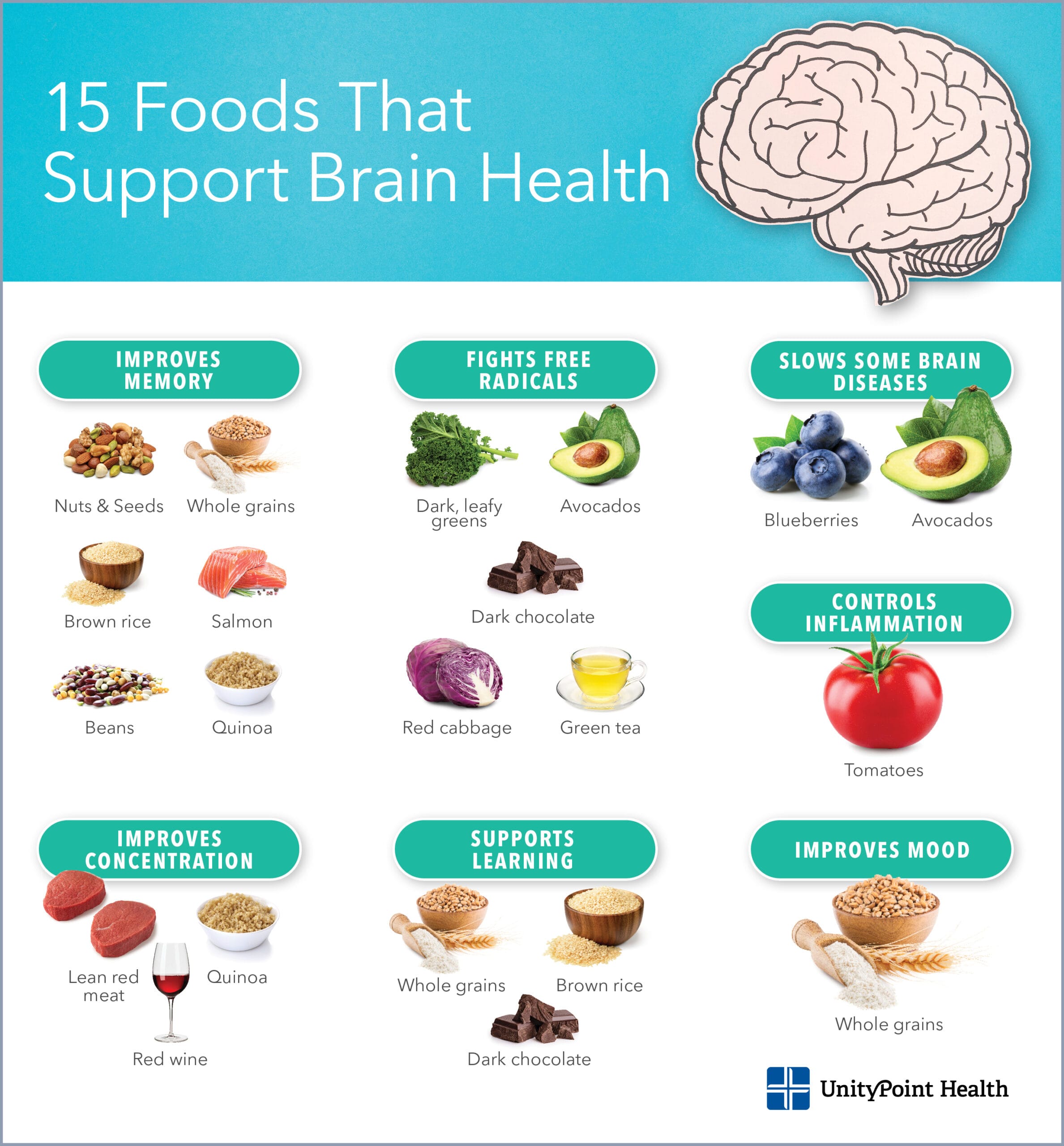
Eating the right foods fuels your brain. Foods rich in antioxidants, healthy fats, and vitamins improve memory and focus. Blueberries, nuts, and fish are excellent choices. Avoid too much sugar and processed foods. They can harm brain cells and slow thinking.
Importance Of Regular Exercise
Exercise increases blood flow to the brain. This delivers oxygen and nutrients that brain cells need. Even walking for 30 minutes daily helps. Physical activity also reduces stress and improves mood. A calm mind learns and remembers better.
Quality Sleep And Brain Repair
Sleep is essential for brain repair and memory. During deep sleep, the brain clears out toxins and strengthens connections. Aim for 7 to 9 hours of restful sleep each night. Poor sleep leads to forgetfulness and slow thinking. A well-rested brain works at its best.
Enhancing Memory Skills
Improving memory skills helps your brain work better every day. Strong memory makes learning easier and life more organized. Practice simple, clear methods to boost your ability to remember facts and ideas. Focus on techniques that fit your style and daily routine.
Effective Memorization Techniques
Break information into small parts. Study one part at a time. Use your own words to explain ideas. This helps your brain understand and keep information. Write notes by hand to improve recall. Teach someone else what you learned. Talking about new facts strengthens memory.
Using Mnemonics And Visualization
Create easy-to-remember shortcuts called mnemonics. For example, use acronyms or rhymes. Picture images in your mind linked to facts. Visual stories make details stick better. Imagine colorful and clear pictures for each idea. The brain remembers pictures faster than words alone.
Repetition And Spaced Learning
Review information several times over days or weeks. Space out study sessions instead of cramming. Short, frequent reviews help move facts to long-term memory. Repeat aloud or write down key points. This method keeps your memory sharp for a longer time.
Mental Exercises And Activities
Mental exercises and activities help keep the brain active and sharp. They improve memory, focus, and thinking skills. Simple daily habits can make a big difference in brain health.
These exercises challenge the mind and build new connections in the brain. Regular practice makes remembering easier and thinking faster. Different activities target different parts of the brain.
Brain Games And Puzzles
Brain games and puzzles boost memory and problem-solving skills. Crossword puzzles, Sudoku, and memory cards are good examples. These games make the brain work in new ways. Playing regularly can slow down mental decline and improve focus.
Try to solve puzzles without rushing. This trains patience and attention to detail. Brain games also help improve concentration and mental speed.
Learning New Skills
Learning new skills challenges the brain to adapt and grow. It could be a new language, musical instrument, or craft. These activities create new brain pathways, improving memory and thinking.
Start with simple steps and practice often. Consistent learning helps keep the brain flexible. New skills also increase confidence and creativity.
Meditation And Mindfulness
Meditation and mindfulness calm the mind and reduce stress. They improve focus and emotional control. Daily practice helps improve memory and brain function.
Try sitting quietly and focusing on your breath. Notice thoughts without judgment and gently return to breathing. These habits strengthen attention and mental clarity.
Lifestyle Changes For Sharpness
Improving brain function and memory requires more than just mental exercises. Daily habits and lifestyle choices play a big role. Simple changes can keep your mind sharp and boost your ability to remember.
Healthy routines help your brain work better. They reduce damage and improve focus. Small, steady steps make a big difference over time.
Stress Management Strategies
Stress harms the brain and lowers memory power. Managing stress protects brain cells and improves thinking. Try deep breathing or meditation to calm your mind. Short breaks during work keep stress levels low. Regular physical activity helps reduce anxiety and improves mood.
Social Interaction Benefits
Talking with others keeps your brain active. Socializing builds new connections in the brain. Friendly conversations challenge your thinking and memory. Join clubs or groups to meet new people. Spending time with friends reduces feelings of loneliness and stress.
Limiting Harmful Substances
Substances like alcohol and tobacco harm brain cells. Avoiding these keeps your memory sharp. Excessive caffeine can cause anxiety and sleep problems. Choose water or herbal tea instead. Healthy brains need clean fuel from good nutrition and rest.
Technology And Tools
Technology offers many tools to help improve brain function and memory. These tools make training the brain easier and more fun. They help track progress and give useful feedback. Using the right technology can boost mental skills step by step.
Memory-enhancing Apps
Memory apps use games and exercises to train the brain. They challenge attention, recall, and problem-solving skills. Many apps adjust difficulty based on your performance. This keeps your brain active and growing. Regular use can improve memory over time.
Tracking Cognitive Progress
Some tools help monitor how your brain improves. They record scores and show trends over weeks or months. This helps find what works best for you. Seeing progress motivates you to keep training. Tracking also highlights areas needing more focus.
Using Digital Aids Wisely
Use technology as a helper, not a crutch. Avoid relying too much on reminders or notes. Balance digital tools with traditional memory exercises. Take breaks from screens to rest your brain. Smart use of aids supports steady mental growth.
Credit: www.unitypoint.org

Credit: atlus.com.au
Frequently Asked Questions
How Can I Naturally Boost Brain Function Daily?
To naturally boost brain function, maintain a balanced diet rich in antioxidants. Exercise regularly and get quality sleep. Practice mindfulness and reduce stress. Stay mentally active by learning new skills and socializing. These habits improve brain health and cognitive performance over time.
What Foods Improve Memory And Brain Health?
Foods rich in omega-3 fatty acids, antioxidants, and vitamins support brain health. Examples include fatty fish, blueberries, nuts, and leafy greens. These nutrients enhance memory, protect brain cells, and improve concentration. Regular consumption helps maintain cognitive function and prevent decline.
Does Exercise Really Enhance Memory Capacity?
Yes, regular exercise increases blood flow to the brain, promoting new neuron growth. It improves memory, focus, and overall cognitive function. Aerobic exercises like walking, running, or swimming are especially beneficial. Consistency is key for long-term brain benefits.
How Does Sleep Affect Brain Function And Memory?
Sleep consolidates memories and clears brain toxins. Poor sleep reduces focus, creativity, and problem-solving skills. Aim for 7-9 hours of quality sleep nightly to support brain function. Consistent sleep patterns improve learning and memory retention.
Conclusion
Improving brain function and memory takes small, steady steps. Eat healthy foods and get enough sleep daily. Practice mental exercises like puzzles or reading often. Stay active by moving your body each day. Reduce stress with deep breaths or quiet time.
These habits help your brain work better and remember more. Consistency matters most for lasting results. Start today and notice the positive changes soon. Your brain will thank you for the care you give. Keep learning and growing every day.