If you’ve been scrolling through social media lately, you’ve probably noticed peanut butter Easter eggs absolutely everywhere. They’re taking over feeds for good reason. These little guys are rich, indulgent, satisfying, and honestly? Super simple to whip up at home. But here’s what most people don’t tell you: when you make them the right way, they can actually fit into a balanced, health-conscious lifestyle.
Trend data shows searches for peanut butter Easter eggs have jumped 50% compared to last month, hitting near-peak interest levels as Easter 2026 rolls around. This isn’t just a baking trend. It’s turning into a full-blown cultural moment. And the best part? You don’t have to choose between treating yourself and eating well.
Why now? Easter is one of the biggest candy holidays of the year. But more people than ever are looking for treats they can actually feel good about. Peanut butter Easter eggs? They check every box.
The Health Case for Peanut Butter (Yes, Really)
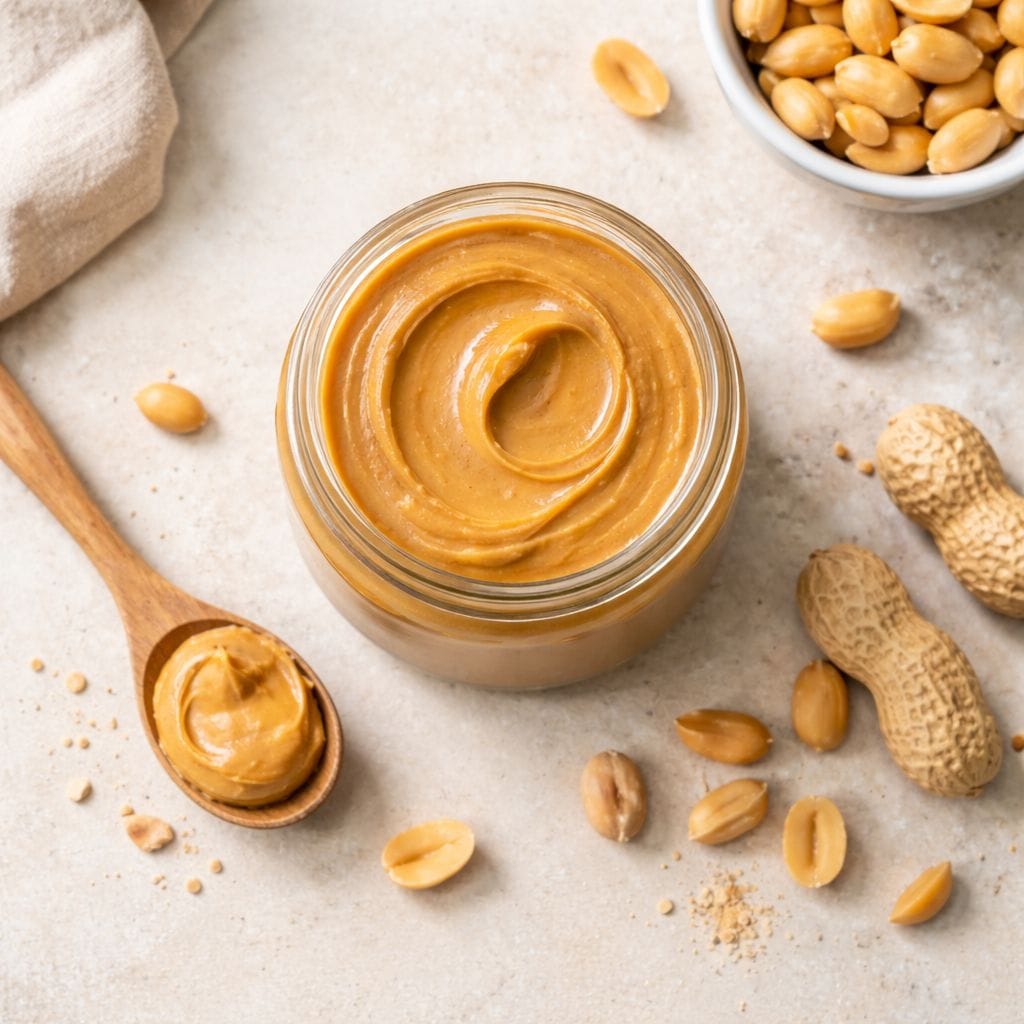
Peanut butter gets a bad rap in diet culture, but the science tells a different story. Natural peanut butter, the kind made from just peanuts and maybe a pinch of salt, is legitimately good for you.
- Protein: Two tablespoons pack roughly 7-8g of protein, which helps keep you full longer.
- Healthy fats: Loaded with monounsaturated fats (same kind found in olive oil) that support heart health.
- Magnesium: Helps with muscle function, sleep quality, and managing stress.
- Fiber: Great for gut health and keeping blood sugar steady.
- Vitamin E & B6: Antioxidant and brain-supporting benefits.
The trick is picking the right peanut butter. Look for brands with ingredients listed as just “peanuts” or “peanuts, salt.” Skip anything with palm oil, added sugar, or hydrogenated fats.
How to Make a Healthier Version
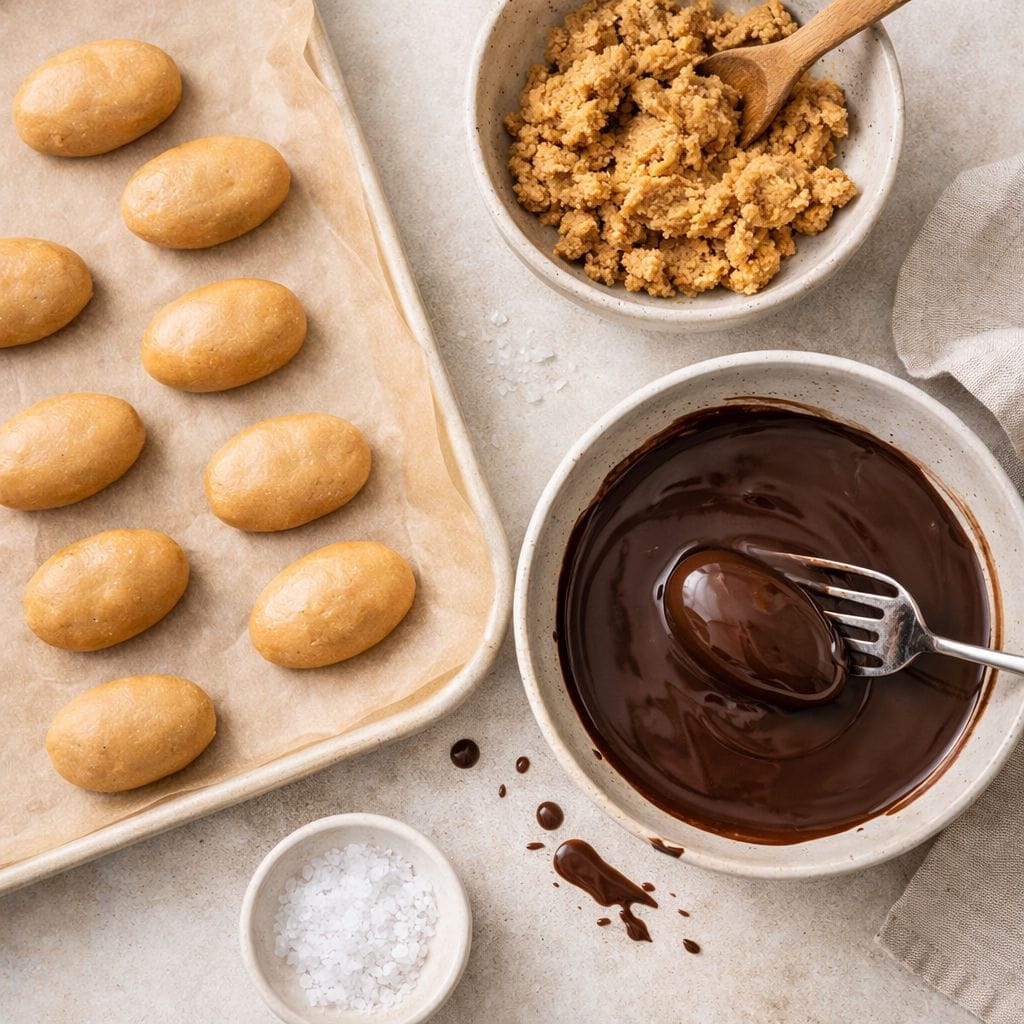
Traditional Reese’s-style recipes call for powdered sugar, butter, and milk chocolate. Our version swaps in smarter ingredients without losing that creamy, melt-in-your-mouth texture you’re craving.
The swaps: Powdered sugar → maple syrup or coconut sugar | Milk chocolate → 70%+ dark chocolate | Butter → coconut oil | Regular PB → natural, unsweetened peanut butter
Dark chocolate (70% cacao and up) is packed with antioxidants called flavonoids, which have been linked to better cardiovascular health. It also has less sugar than milk chocolate, making the whole treat feel more balanced instead of just “healthy.”
3 Recipes to Try This Easter
1. The Classic (Cleaner)
The closest thing to a homemade Reese’s egg, but made with real ingredients you can feel good about.
- 1 cup natural peanut butter
- 3 tbsp maple syrup
- 1/2 cup oat flour (or almond flour)
- Pinch of sea salt
- 1.5 cups 70% dark chocolate, melted
Mix the peanut butter, maple syrup, flour, and salt until a dough forms. Shape into egg ovals, freeze for 20 minutes, then dip in melted dark chocolate. Sprinkle with flaky sea salt if you’re feeling fancy. Refrigerate until set.
Macros per egg (makes 12): ~180 cal | 10g fat | 14g carbs | 6g protein
2. The Vegan Version
Totally plant-based and just as satisfying as the original.
- 1 cup natural peanut butter
- 3 tbsp agave or date syrup
- 1/2 cup rolled oats, blended fine
- 1.5 cups vegan dark chocolate chips, melted with 1 tsp coconut oil
Follow the same method as above. The coconut oil keeps the chocolate coating glossy and smooth. Store in the fridge for up to 10 days (if they last that long).
Macros per egg (makes 12): ~170 cal | 11g fat | 13g carbs | 5g protein
3. The High-Protein Version (For Gym-Goers)
A post-workout treat that actually makes sense.
- 3/4 cup natural peanut butter
- 1/4 cup vanilla protein powder (whey or plant-based)
- 2 tbsp honey
- 2 tbsp almond flour
- 1.5 cups dark chocolate, melted
Mix all filling ingredients until a thick dough forms. Add a splash of almond milk if it feels too dry. Shape, freeze, dip in chocolate. The protein powder adds structure and boosts the nutrition profile big time.
Macros per egg (makes 12): ~190 cal | 11g fat | 12g carbs | 15g protein
You can use our calorie calculator for this.
Why This Trend Is Here to Stay
The rise of peanut butter Easter eggs isn’t just about taste. It’s part of a bigger shift toward “better-for-you” indulgence. Millennials and Gen Z especially are ditching the whole “health food vs. junk food” mindset. They want treats that feel celebratory but also intentional.
This fits right into the growth of clean-label candy culture: real ingredients, no mystery additives, and transparency about what’s actually in your food. Brands like Justin’s, Hu, and RXBAR have built their whole thing on this idea. Homemade peanut butter Easter eggs are basically the DIY version of that same movement.
The trend data backs this up. Interest has shown steady growth from December 2025 through March 2026, with no signs of slowing before Easter. Honestly, this format will probably carry into Halloween and holiday baking season too. The egg shape is Easter-specific, but the concept? Totally evergreen.
Ready to make your own?
Share this article with your Easter crew and tag us in your creations. Whether you go classic, vegan, or high-protein, your taste buds (and your body) will thank you. These cookies will blow your mind.
Want more trend-forward, health-conscious recipes delivered straight to your inbox? Join the Wellness Sip newsletter below.