Stretching targeted muscles can relieve lower back pain and restore movement within weeks.
I’ve helped dozens of people ease chronic ache and regain function using simple, evidence-based stretch routines. This guide explains what a stretch for lower back pain really means, why it helps, which stretches work best, and how to build a safe, daily plan you can trust. Expect clear steps, practical tips from my experience, and concise science-backed guidance so you can start moving with less pain.

What is a stretch for lower back pain?
A stretch for lower back pain is a gentle movement that lengthens tight muscles around the lumbar spine. These stretches target the hips, glutes, hamstrings, and low-back muscles to reduce tension and improve range of motion. By easing tight tissues, a consistent stretch for lower back pain can lower pain signals and improve posture.
Common causes of pain include muscle strain, poor posture, tight hips, weak core muscles, and long periods of sitting. A well-chosen stretch for lower back pain helps address these contributors. Think of it as oiling a stiff hinge so the door opens easier.

Benefits of stretching for lower back pain
- Reduces muscle tightness that feeds pain.
- Improves spinal mobility and posture.
- Lowers stiffness after sitting or sleeping.
- Helps prevent flare-ups when combined with strengthening.
- Supports recovery from minor strains and overuse.
Regular use of a stretch for lower back pain can also improve sleep and daily comfort. Many patients report less need for pain meds and better function with consistent practice.

When to stretch and precautions
- If pain is sharp, worsening, or follows trauma, avoid stretching and see a clinician.
- If you have numbness, weakness, or bowel/bladder changes, seek immediate medical care.
- Modify stretches during pregnancy and with certain spinal conditions.
- Stop any stretch that increases sharp or shooting pain.
A safe stretch for lower back pain is gentle. Move slowly. Breathe. If in doubt, get personalized advice from a physical therapist.
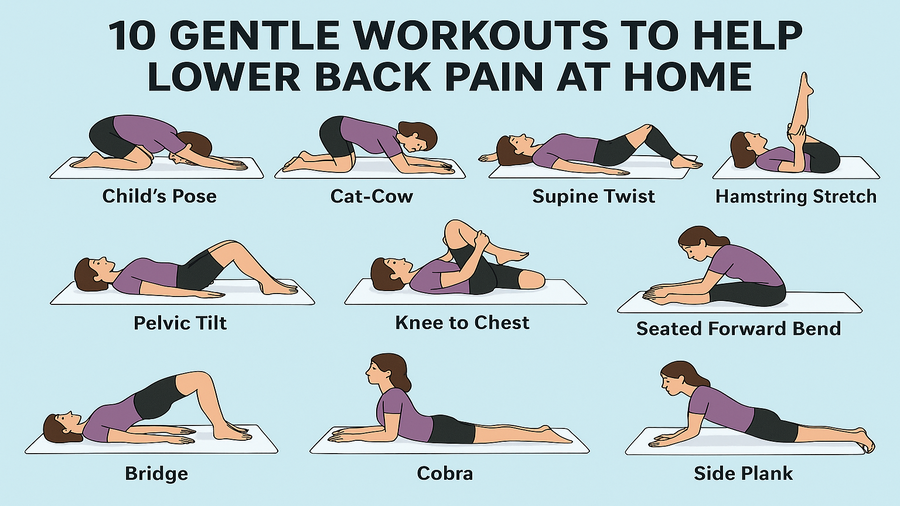
10 effective stretches for lower back pain
Below are simple, safe stretches. Hold each for 20–30 seconds. Repeat 2–3 times unless noted.
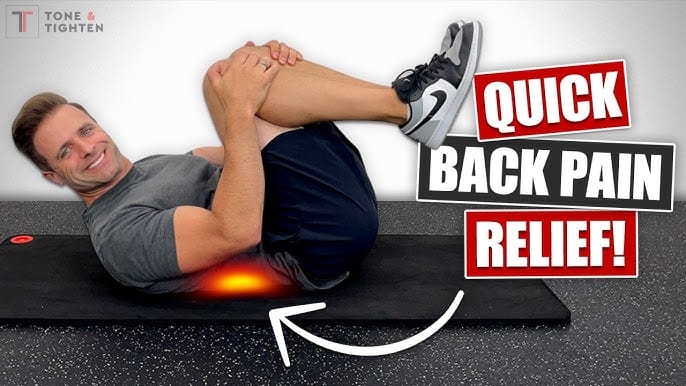
- Knee-to-chest
- Lie on your back. Pull one knee to your chest. Keep the other leg bent or straight.
- This stretch relieves tension in the lumbar area and hips.
- Child’s pose (modified)
- Kneel and sit back on your heels, reach arms forward, and lower your chest.
- Use a pillow under hips if tight. This eases spinal pressure.
- Cat–cow
- On hands and knees, arch the back up (cat), then drop the belly and lift the head (cow).
- Great for gentle spinal mobility and pain relief.
- Piriformis stretch
- Lie on your back. Cross one ankle over the opposite knee and gently pull the uncrossed leg toward you.
- Helps with sciatica-like pain and glute tightness.
- Hamstring stretch (supine with band)
- Lie on your back. Loop a towel or band around the foot and lift the leg, keeping the knee soft.
- Tight hamstrings often increase low-back strain.
- Hip flexor kneeling lunge
- Kneel with one foot forward in a lunge. Tuck your pelvis and shift weight forward.
- Opens the front hip and reduces lumbar arching.
- Seated spinal twist
- Sit upright, twist gently to one side, and use your hand to deepen the turn.
- Increases rotational mobility and eases lower back stiffness.
- Pelvic tilt
- Lie on your back with knees bent. Flatten your lower back to the floor by tilting the pelvis.
- Strengthens small stabilizers and reduces pain flare-ups.
- Glute bridge
- Lie on your back. Lift hips while squeezing glutes, then lower slowly.
- Combines stretch and gentle strengthening for the posterior chain.
- Knee rolls
- Lie on your back with knees bent. Let both knees fall side to side in a controlled roll.
- Promotes lumbar rotation and relieves stiffness.
A balanced program uses a variety of stretches. Each stretch for lower back pain targets a different tight area. Progress slowly and keep sessions short but consistent.

How often and for how long
- Aim for 5–10 minutes daily during flare-ups.
- For prevention, 10–15 minutes, 3–4 times per week is effective.
- Hold each stretch 20–30 seconds. Repeat 2–4 times.
- Combine a stretch for lower back pain with light walking and core work for best results.
Short, daily practice beats long, sporadic sessions. Consistency helps tissue flexibility and pain control.
My experience and practical tips
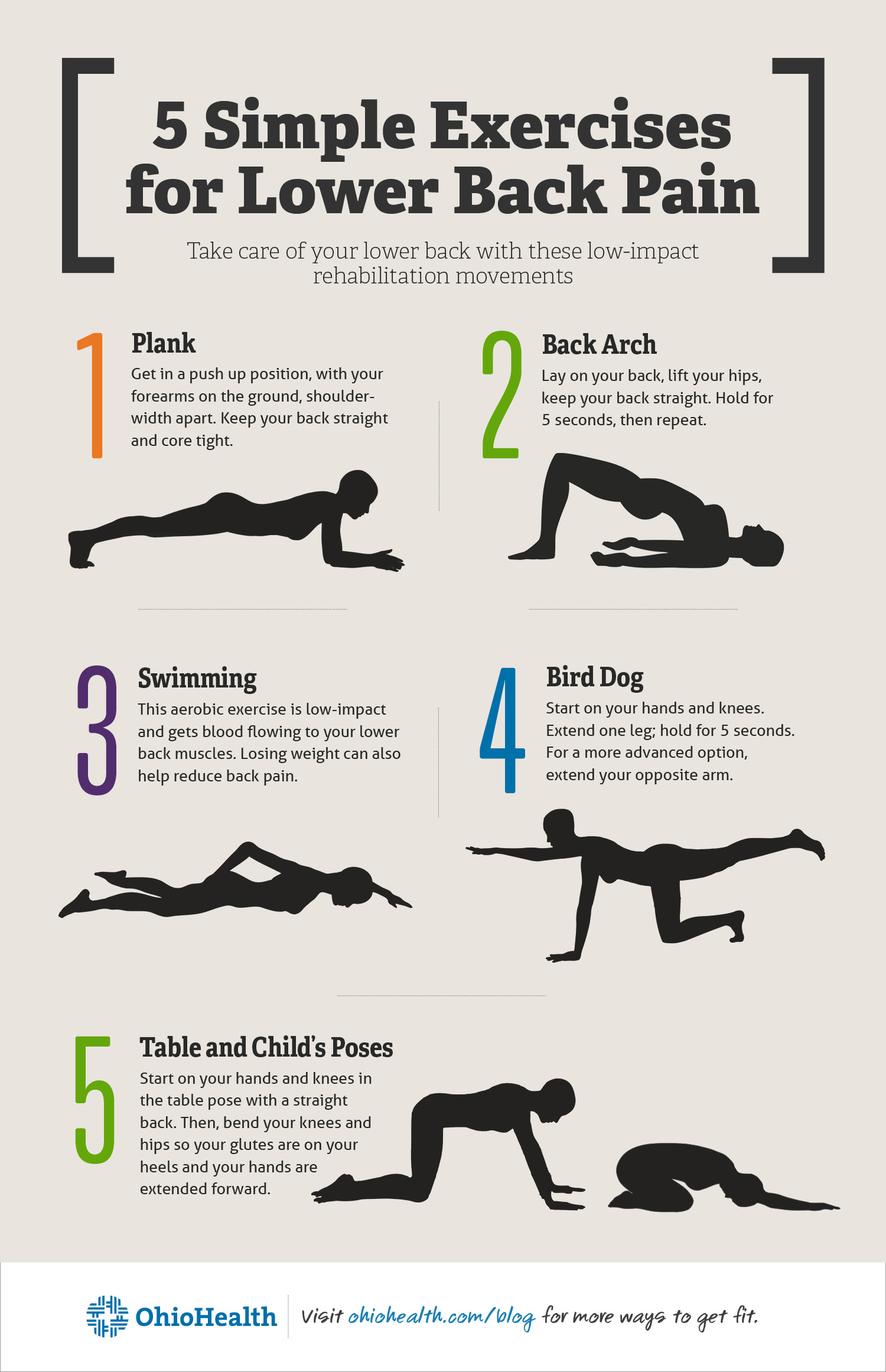
I once treated a client who sat 10 hours a day and had daily low-back ache. We started with a short stretch for lower back pain routine and small posture changes. Within three weeks, pain dropped and she began walking more. Key lessons I learned:
- Start small. Five minutes daily is easier to keep.
- Warm up with a short walk if muscles feel cold.
- Avoid forcing a stretch; gentle progress is safer.
- Track what helps. Some stretches ease pain quickly, others not at all.
Common mistakes to avoid:
- Pushing into sharp pain.
- Doing only one stretch repeatedly.
- Ignoring strength and posture work that supports stretching.
Combining stretches with strengthening and posture
- Stretching alone can help short-term pain. Long-term relief usually needs strengthening.
- Focus on core, glutes, and back extensors.
- Improve sitting ergonomics and take movement breaks every 30–60 minutes.
- A holistic plan that includes a stretch for lower back pain, strengthening, and posture changes works best.
Clinical studies support combined programs for lasting improvement. If pain persists beyond 6–8 weeks despite home care, seek professional assessment.
Frequently Asked Questions
What is the best stretch for lower back pain?
The best stretch varies per person, but knee-to-chest and child’s pose are gentle and widely effective. Try several stretches to see which eases your pain.
How soon will stretches help lower back pain?
Some people feel relief after one session. For lasting change expect 2–6 weeks of consistent daily practice. Combine with movement and strength work for faster results.
Can stretching make lower back pain worse?
Yes, if you push into sharp pain or stretch without proper form. Stop any stretch that increases sharp, radiating, or numb sensations.
Should I stretch if I have sciatica?
You can, but choose nerve-friendly stretches like piriformis and gentle hamstring releases. If pain radiates or worsens, consult a clinician.
How long should I hold a stretch for lower back pain?
Hold 20–30 seconds and repeat 2–4 times. Short holds done consistently are safer and effective.
Can stretching alone cure chronic low back pain?
Stretching helps but often isn’t enough alone. A mix of stretching, strengthening, posture work, and activity gives better long-term results.
Is it okay to stretch every day?
Yes. Daily gentle stretching is safe for most people and helps prevent stiffness. Take rest if a stretch flares your pain.
When should I see a doctor about lower back pain?
See a doctor if pain follows an injury, causes weakness or numbness, or affects bladder/bowel control. Also see a clinician if pain doesn’t improve after a few weeks.
Conclusion
Stretching is a simple, low-cost way to reduce lower back pain and restore function. Use a gentle, consistent stretch for lower back pain routine, add strengthening and posture habits, and progress slowly. Small daily actions often lead to big improvements. Try a short 10-minute routine for two weeks and note the changes. Share your progress, ask questions, or subscribe for more guides on pain relief and movement.