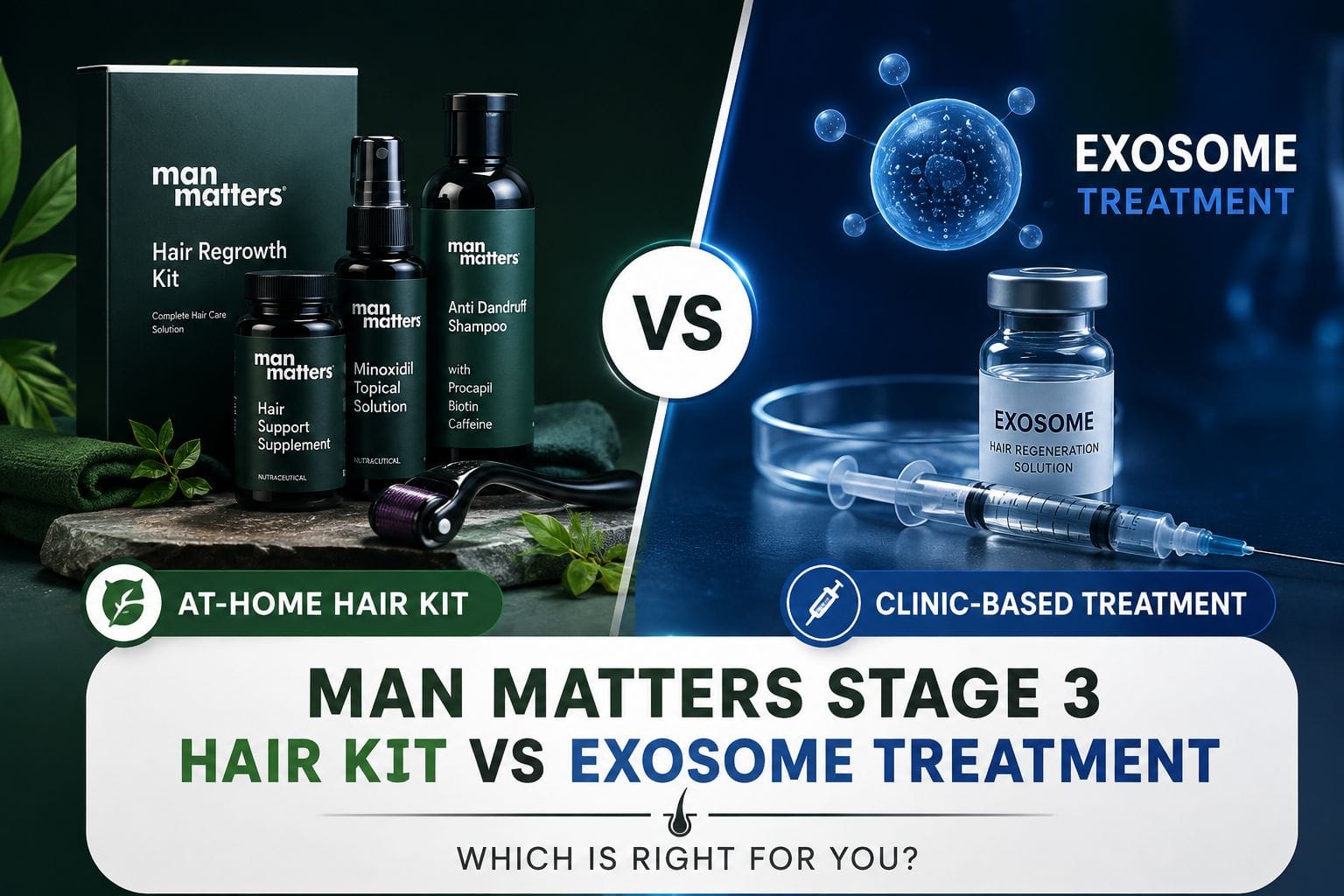
Millions of people experience hair thinning or excessive shedding every year, and it’s not always just about genetics. Often, the root cause traces back to something as simple as what’s missing from your diet. Hair growth follows a natural cycle: the anagen phase, where hair actively grows; the catagen phase, a short transition; and the telogen phase, when hair rests and eventually falls out. Nutrients play a big part in this process—they fuel the follicles, help produce keratin (the protein that makes up hair), and ensure oxygen gets delivered properly to the scalp.
While there’s no magic pill for perfect hair, research points to specific vitamins and minerals that can make a real difference, especially if you’re dealing with a deficiency. The key is addressing those gaps thoughtfully, based on solid evidence rather than flashy ads. Always start with a blood test and talk to a doctor before popping supplements—self-diagnosing can sometimes do more harm than good. In this article, we’ll stick to what’s backed by science, exploring how these nutrients support healthier hair without the hype.
Understanding Nutrient Deficiencies and Hair Health
Your body treats hair as a low-priority item. When nutrients are scarce, it diverts them to vital organs like the heart or brain, leaving your locks to suffer. This can lead to brittle strands, slower growth, or increased fallout. Certain groups are more prone to these issues: women during their menstrual cycles, vegetarians or vegans who might miss out on animal-based nutrients, folks with limited sun exposure, or those under chronic stress or dealing with illnesses.
Testing is crucial before you start supplementing. Check levels like ferritin for iron stores, vitamin D, B12, and zinc. These can reveal hidden deficiencies that directly impact hair. But beware—too much of a good thing can backfire. Overdoing vitamin A, selenium, or even iron might trigger more shedding instead of less. It’s all about balance, and getting professional guidance ensures you’re on the right track.
Key Vitamins for Hair Growth and Loss Prevention
Vitamins are the building blocks for many bodily functions, and hair health is no exception. Let’s break down the ones with the strongest ties to preventing loss and encouraging growth, drawing from reliable studies.
Vitamin D – The Most Evidence-Based
Vitamin D stands out as a powerhouse for hair. It activates stem cells in the follicles, helping create new ones and keeping the growth cycle humming. Deficiencies have been linked to conditions like alopecia areata (patchy baldness), telogen effluvium (widespread shedding), and even pattern baldness in men and women.
Studies consistently show that people with hair loss often have lower vitamin D levels. For instance, research published in the Journal of the American Academy of Dermatology found that supplementing deficient patients led to noticeable regrowth. It’s not a cure-all, but correcting a shortfall can turn things around.
You can get vitamin D from sunlight exposure—about 15 minutes a day on your arms and face does the trick for many. Food sources include fatty fish like salmon or mackerel, fortified milk or orange juice, and eggs. If tests show you’re low, a doctor might recommend a supplement, typically around 1,000 to 2,000 IU daily.
Biotin (Vitamin B7)
Biotin gets a lot of attention in hair products, and for good reason in some cases. It’s vital for building keratin, the tough protein that forms the structure of your hair, skin, and nails. A true deficiency can make hair brittle and prone to breaking.
Evidence is solid for those rare cases where biotin is lacking—often due to genetic issues or extreme diets—but for most people, extra biotin doesn’t do much. A review in Skin Appendage Disorders noted that while it’s popular in supplements, benefits are limited without a proven deficiency. Don’t fall for the marketing; it’s not the miracle it’s often portrayed as.
Load up on biotin through eggs, almonds, walnuts, sunflower seeds, sweet potatoes, and organ meats like liver. If you’re considering a supplement, aim for 30 to 100 micrograms, but only if blood work justifies it.
Vitamin C
This antioxidant superstar doesn’t directly grow hair, but it supports it in key ways. It enhances iron absorption, which is crucial for oxygen delivery to follicles, and fights oxidative stress that can damage scalp tissue. Plus, it aids collagen production, strengthening the hair shaft.
Animal studies and indirect human research, such as those in the International Journal of Trichology, suggest vitamin C can improve hair density by protecting against free radicals. It’s especially helpful if iron levels are borderline.
Fresh sources abound: oranges, grapefruits, kiwis, bell peppers, and strawberries. Pair them with iron-rich foods for maximum effect. Daily needs are around 75-90 mg for adults, easily met through diet.
Vitamin E
As another antioxidant, vitamin E shields hair from environmental damage and improves blood flow to the scalp. Better circulation means more nutrients reach the follicles, potentially boosting growth.
Some trials, like one in Tropical Life Sciences Research, reported increased hair count in participants taking vitamin E supplements. However, results are mixed, with not all studies showing dramatic improvements.
Incorporate it via almonds, hazelnuts, spinach, broccoli, and sunflower oil. The recommended intake is 15 mg daily, and it’s fat-soluble, so pair it with healthy fats for better absorption.
Other B Vitamins (B12, Folate/B9)
The B-complex family supports cell division and red blood cell formation, ensuring oxygen gets to the scalp efficiently. Vitamin B12 deficiencies, common in plant-based eaters, can lead to anemia and subsequent hair thinning. Folate helps with DNA synthesis, playing a role in follicle health.
Research in the British Journal of Dermatology links B12 shortages to premature graying and loss, while folate’s evidence is spottier but supportive in combination with other nutrients.
Sources include beef, poultry, fish, eggs for B12; leafy greens, beans, and fortified cereals for folate. Vegans might need B12 supplements or fortified foods.
Essential Minerals for Healthy Hair
Minerals work behind the scenes to regulate growth and repair. Deficiencies here are often overlooked but can be game-changers.
Iron (Often the Top Cause in Women)
Iron’s job is transporting oxygen through hemoglobin to every cell, including hair follicles. Low levels disrupt the growth phase, leading to diffuse shedding.
Ferritin, the stored form of iron, is a key marker. Studies from the Journal of Korean Medical Science show that women with low ferritin experience more telogen effluvium, and supplementing reverses it. It’s particularly prevalent in menstruating women due to monthly blood loss.
Boost intake with lean red meat, poultry, spinach, quinoa, and lentils. Always combine with vitamin C to enhance absorption—avoid tea or coffee nearby, as they block it. Supplements should be doctor-prescribed to prevent overload.
Zinc
Zinc keeps the hair cycle on track, aiding protein synthesis and follicle repair. Without enough, growth stalls, and conditions like alopecia areata can flare up.
Evidence from Dermatology Research and Practice confirms that zinc-deficient patients see improvements with supplementation. It’s not universal, but targeted use helps.
Find it in oysters, beef, pumpkin seeds, chickpeas, and cashews. Aim for 8-11 mg daily, but don’t exceed without testing.
Other Nutrients with Emerging or Supportive Evidence
Beyond the basics, omega-3 fatty acids reduce scalp inflammation, potentially easing conditions like dandruff or psoriasis that affect hair. Sources like fish oil or flaxseeds show promise in small studies.
Protein is fundamental since hair is 95% keratin—ensure 0.8 grams per kilogram of body weight from eggs, nuts, or meat. Collagen supplements, derived from animal sources, may strengthen strands, though evidence is preliminary.
Herbs like saw palmetto block DHT (a hormone linked to pattern baldness), and ashwagandha combats stress-related loss. These have limited but encouraging data from trials in Phytotherapy Research. Stick to moderate doses and consult experts.

Practical Recommendations and Best Practices
Start with basics: Schedule blood work for vitamin D, ferritin, B12, and zinc. If levels are off, address them under medical supervision—say, vitamin D3 at 1,000-2,000 IU or iron as needed.
Prioritize whole foods: A diet rich in lean proteins, colorful fruits and veggies, nuts, and whole grains covers most bases. Think Mediterranean-style eating for anti-inflammatory benefits.
For supplements, consider multi-formulas like Nutrafol or Viviscal, which have some clinical trials backing them. But they’re not substitutes for real food.
Don’t forget lifestyle: Reduce stress through exercise or meditation, skip tight ponytails that pull on roots, and use gentle shampoos. Consistent sleep and hydration also play roles.
Check your Macro with our Macro Calculator
Conclusion
In summary, tackling deficiencies in vitamin D, iron, and zinc offers the best shot at curbing hair loss, with vitamins C, biotin, and others providing solid support. Hair reflects your overall health, so focus on sustainable habits rather than shortcuts. If shedding persists, see a dermatologist—they can rule out other causes.
References:
- Journal of the American Academy of Dermatology (various studies on vitamin D).
- Skin Appendage Disorders (biotin review).
- International Journal of Trichology (vitamin C links).
- Tropical Life Sciences Research (vitamin E trials).
- British Journal of Dermatology (B vitamins).
- Journal of Korean Medical Science (iron and ferritin).
- Dermatology Research and Practice (zinc).
- Phytotherapy Research (herbs like saw palmetto).
- Harvard Health Publishing (general nutrient advice).
- International Society of Hair Restoration Surgery (ISHRS) guidelines.