Swollen feet and ankles during pregnancy are very common, especially in the second and third trimesters. This condition, known as pregnancy edema, affects nearly 80% of expectant mothers and is usually harmless. However, understanding the causes of pregnancy swelling, knowing how to reduce it, and recognizing warning signs can help you stay comfortable and safe.
During pregnancy, a woman’s body undergoes major changes to support the growing baby. Blood volume can increase by up to 50%, and the body naturally retains more fluids. Hormonal changes and pressure from the expanding uterus can slow blood circulation from the lower body, causing fluid to collect in the legs, ankles, and feet.
Because gravity pulls fluids downward, swollen feet during pregnancy often become worse after long periods of standing or sitting. Many women notice the swelling starting around the 20th week of pregnancy, with symptoms becoming more noticeable in the third trimester. Tight shoes, puffy ankles, and heavy legs are common signs. Hot weather, fatigue, and high sodium intake may also worsen swelling.
In most cases, mild to moderate swelling in the feet, ankles, and legs during pregnancy is normal and improves with rest and simple lifestyle adjustments.

What Causes Swelling in Legs and Feet During Pregnancy?
Several interconnected factors contribute to pregnancy-related edema. First, the body produces more blood and fluids overall to meet the demands of pregnancy. Hormones like relaxin and aldosterone encourage the body to retain water and sodium, which helps support fetal development but can also cause fluid to leak into surrounding tissues.
The growing uterus adds another layer by pressing on major veins in the pelvis, including the inferior vena cava. This compression slows the return of blood from the legs back to the heart, leading to pooling and leakage of fluid into the feet and ankles. Prolonged standing or sitting exacerbates the issue, as does heat, which dilates blood vessels and promotes fluid retention.
In some cases, dietary factors play a part. Excess sodium from processed foods can worsen fluid buildup, while low potassium levels disrupt the balance needed to regulate fluids. Multiple pregnancies or carrying excess weight can intensify these effects due to greater pressure on the circulatory system.
It’s worth noting that this type of swelling is typically bilateral—meaning it affects both legs equally—and worsens gradually over time. Sudden or severe changes, however, may point to something more serious, which we’ll cover later.
Is Pregnancy Leg Swelling Normal?
Yes, mild to moderate swelling in the legs, ankles, and feet during pregnancy is considered normal for most women. As pregnancy progresses, the body naturally retains more fluid to support the growing baby and increased blood circulation.
Many pregnant women notice that their pregnancy feet swelling becomes more noticeable in the evening or after long periods of standing. Shoes may feel tighter, and the ankles may appear puffy by the end of the day.
In most cases, this swelling affects both legs equally and gradually increases during the third trimester. This is a normal part of pregnancy and usually improves after resting or elevating the legs.
However, sudden or severe swelling—especially if it appears in the face, hands, or only one leg—should always be discussed with a healthcare provider.
Why Do Feet and Ankles Swell During Pregnancy?
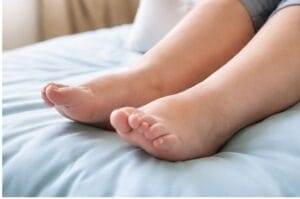
Swollen feet and ankles during pregnancy occur mainly due to fluid retention and pressure on blood vessels. As the uterus grows, it presses against the veins that carry blood from the lower body back to the heart.
This pressure slows circulation and causes fluid to accumulate in the surrounding tissues, particularly in the feet and ankles. Hormonal changes also encourage the body to retain sodium and water, which contributes to swelling.
Other common factors that worsen swelling include:
- Standing or sitting for long hours
- Hot weather
- High sodium intake
- Fatigue or dehydration
- Carrying multiple babies
Because gravity pulls fluids downward, swelling is usually more noticeable in the lower legs and feet.
Common Symptoms of Pregnancy Edema
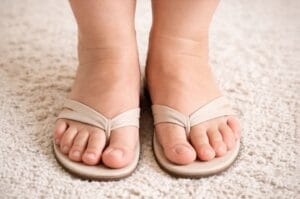
The hallmark of pregnancy swelling is puffiness or tightness in the lower legs, ankles, and feet. You might notice indentations when pressing on the skin (known as pitting edema), a feeling of heaviness, or difficulty fitting into regular shoes. Swelling often improves overnight when you’re lying down and gravity isn’t working against you, only to return during the day.
In milder cases, it may extend slightly to the hands or face, but the legs bear the brunt. Discomfort can include aching, mild itching, or a shiny appearance to the skin. These symptoms are usually manageable and resolve within days to weeks after delivery as hormone levels normalize and fluid balance returns.
Effective Ways to Reduce Swelling in Feet and Ankles
Fortunately, there are many evidence-based strategies to ease pregnancy edema without medication. Start with simple lifestyle adjustments that promote better circulation and fluid drainage.
Elevate your legs whenever possible—aim to raise them above heart level for 15-20 minutes several times a day. Lie on your left side when resting or sleeping, as this position relieves pressure on the major vein returning blood from the lower body.
Stay active with gentle movement. Short walks, ankle circles, or foot flexes improve blood flow and prevent stagnation. Swimming or standing in a pool provides natural compression from water pressure, offering significant relief for many women.
Hydration is key, even though it might seem counterintuitive. Drinking plenty of water—around 8-10 glasses daily—helps the kidneys flush excess sodium and reduces overall retention. Cutting back on salty foods while incorporating potassium-rich options like bananas, avocados, and leafy greens supports fluid balance.
Wear comfortable, supportive shoes and avoid tight socks or straps that could restrict circulation. Compression stockings (15-20 mmHg mild ones) are highly recommended by experts; put them on first thing in the morning before swelling starts. Avoid crossing your legs when sitting, and take breaks from standing.
Additional tips include cool foot soaks, light massage from the feet upward, and avoiding caffeine or excessive heat, which can aggravate retention. These approaches often bring noticeable improvement within days.
Prevention Strategies for Swollen Legs During Pregnancy
Preventing severe swelling starts early. Maintain a balanced diet low in processed sodium but adequate in protein and potassium. Regular, moderate exercise throughout pregnancy strengthens circulation and helps control weight gain, reducing pressure on veins.
Monitor salt intake without eliminating it entirely—aim for natural sources over added table salt. Wear loose, breathable clothing and supportive footwear from the beginning. Scheduling regular prenatal checkups ensures any emerging issues are caught early.
If you have a history of varicose veins or previous pregnancies with heavy swelling, discuss preventive measures like compression wear with your healthcare provider ahead of time.
When Swelling Signals a Serious Problem
While most pregnancy edema is benign, certain patterns warrant prompt attention. Sudden or rapid swelling—especially in the face, hands, or one leg only—can indicate preeclampsia, a condition involving high blood pressure and potential organ damage. Other warning signs include severe headaches, blurred vision, upper abdominal pain, or high blood pressure readings.
If swelling is accompanied by pain, redness, warmth in one leg, or shortness of breath, it could suggest a blood clot (deep vein thrombosis), which is more common in pregnancy due to changes in clotting factors.
Contact your doctor or midwife immediately if you experience these symptoms. Early intervention is crucial for conditions like preeclampsia, which affects about 5-8% of pregnancies and can progress quickly.
What to Expect After Delivery
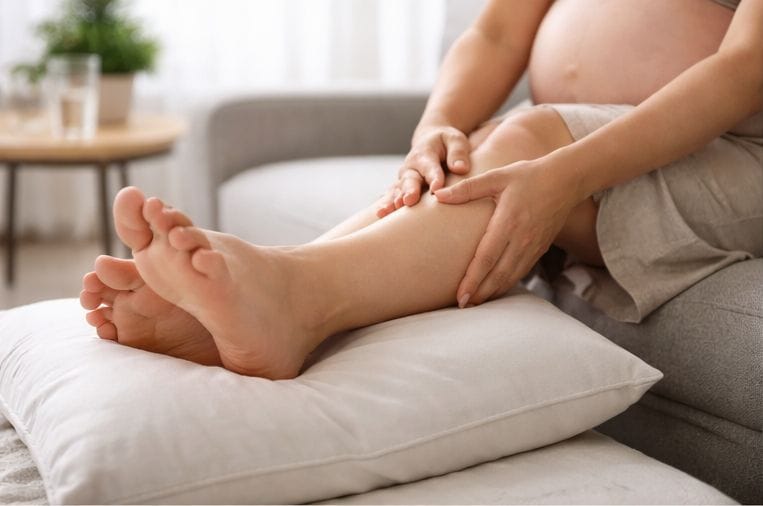
Postpartum swelling often lingers for a few days to weeks as the body sheds excess fluid. Many women notice increased urination and a gradual reduction in puffiness. Continuing hydration, elevation, and light activity helps speed recovery. If swelling worsens or persists beyond a couple of weeks, follow up with your provider.
How to Reduce Pregnancy Leg Swelling Naturally
There are several safe and simple ways to reduce pregnancy leg swelling and improve circulation.
Try these practical tips:
Elevate your legs regularly
Raise your feet above heart level whenever possible to help fluid move back toward the heart.
Stay gently active
Short walks, stretching, and light prenatal exercise improve blood circulation and reduce fluid buildup.
Drink plenty of water
Staying hydrated helps the kidneys flush out excess sodium and prevents further fluid retention.
Wear compression stockings
Mild compression socks support healthy blood flow and reduce swelling in the ankles and feet.
Avoid standing for long periods
Take frequent breaks to sit down or move around.
Sleep on your left side
This position improves blood flow and reduces pressure on major veins.
With these habits, many women notice that swelling becomes easier to manage throughout pregnancy.
Final Thoughts on Managing Pregnancy Swelling
Swollen feet and ankles during pregnancy are a normal response to the incredible work your body is doing. By understanding the causes, adopting simple relief habits like elevation, hydration, and movement, and staying vigilant for unusual changes, you can minimize discomfort and focus on the joy of impending motherhood.
Every pregnancy is unique, so personalized advice from your obstetrician or midwife is essential. Regular prenatal care ensures you’re supported every step of the way. If you’re dealing with persistent swelling right now, try one or two of these tips today—you might find quick relief.
You may Track pregnancy with our Pregnancy Calculator
Frequently Asked Questions
When does swelling start during pregnancy?
Swelling usually begins around the second trimester (around 20 weeks) and becomes more noticeable in the third trimester as the baby’s weight increases.
Is swollen feet during pregnancy dangerous?
In most cases, swollen feet during pregnancy are harmless and caused by fluid retention. However, sudden swelling along with headaches, vision changes, or high blood pressure may indicate preeclampsia and requires medical attention.
How can I reduce swollen feet during pregnancy quickly?
Elevating your legs, drinking water, wearing compression stockings, and avoiding long periods of standing can help reduce swelling quickly.
Does pregnancy swelling go away after delivery?
Yes. Most pregnancy swelling disappears within a few days to weeks after childbirth as the body gradually eliminates excess fluid.
Swollen feet during pregnancy are usually harmless, but understanding the causes and relief methods can help reduce discomfort and keep both mother and baby healthy.