Strong heart habits lower disease risk; calf muscles boost circulation and act like a second heart.
This evidence-informed Heart Health Guide explores practical ways to protect cardiovascular health. It highlights the benefits of heart-healthy habits, explains lifestyle risks that can weaken cardiac function, and examines the science behind why calf muscles are often called the body’s “second heart.” The guide also provides practical steps, expert-backed explanations, and everyday insights that support better long-term heart health.

Why heart health matters and how this Heart Health Guide helps
Heart disease remains a top cause of death worldwide. Small daily choices add up and shape long-term risk. This Heart Health Guide breaks complex research into usable actions. It explains how diet, movement, sleep, and stress intersect to protect your heart. Expect clear definitions, realistic strategies, and why consistency beats perfection.
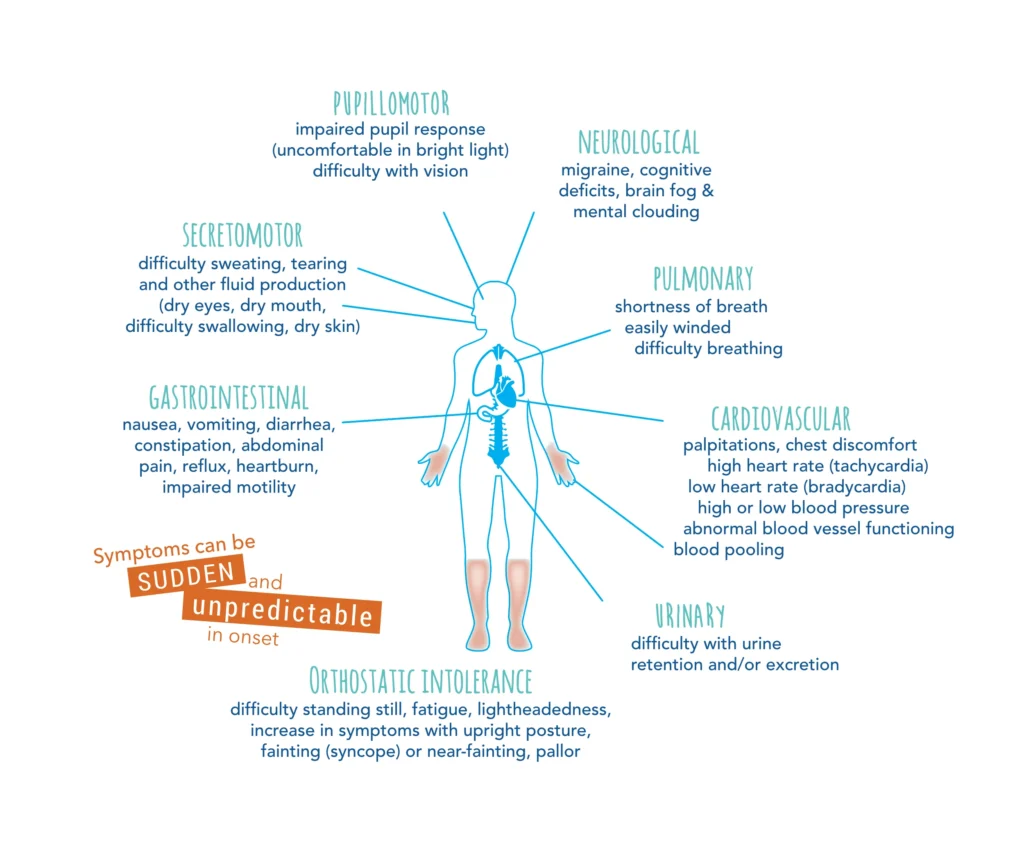
Benefits of strong heart habits
Strong heart habits reduce risk, improve quality of life, and boost longevity. This section lists the main advantages and explains mechanisms.
- Improved blood pressure control
- Regular exercise and lower sodium intake help keep blood pressure in a healthy range.
- Better cholesterol profile
- Enhanced blood sugar regulation
- Weight control and consistent physical activity reduce diabetes risk.
- Lowered inflammation
- Anti-inflammatory foods, sleep, and stress reduction decrease chronic inflammation linked to heart disease.
- Greater exercise tolerance and energy
- Cardiovascular fitness increases stamina and daily function.
- Mental health benefits
- Heart-healthy habits often reduce anxiety and improve mood.
How these benefits appear over time
- Weeks: blood pressure and mood often improve.
- Months: weight loss and better cholesterol become measurable.
- Years: long-term risk of heart attack, stroke, and heart failure declines.
Personal note from my experience
I have worked on community wellness programs that prioritized step goals and home cooking. Participants saw measurable blood pressure drops within six weeks. These small wins built motivation and led to lasting change. This Heart Health Guide reflects those practical lessons.
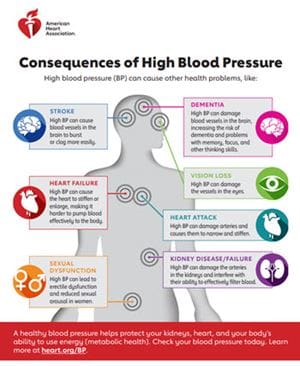
Harmful lifestyle risks that damage the heart
Understanding the main risks helps prioritize action. This Heart Health Guide details the common harms and why they matter.
- Sedentary behavior
- Sitting for long periods reduces circulation and weakens cardiovascular fitness.
- Poor diet
- Diets high in processed foods, added sugars, and trans fats raise LDL and inflammation.
- Smoking and nicotine
- Tobacco damages blood vessels and raises clotting risk.
- Excessive alcohol
- Heavy drinking can cause hypertension, arrhythmias, and cardiomyopathy.
- Chronic stress and poor sleep
- Long-term stress and sleep loss increase inflammation and blood pressure.
- Obesity and metabolic syndrome
- Central adiposity drives insulin resistance and vascular strain.
Why these risks accelerate heart disease
- Combined effects: many risk factors interact and raise overall risk more than each alone.
- Early damage: endothelial dysfunction and arterial stiffening begin decades before symptoms.
- Silent progression: heart disease often advances without obvious signs until a major event.
What to prioritize first
- Stop smoking and reduce sedentary time immediately.
- Improve diet quality and sleep.
- Address high blood pressure and high blood sugar with your provider.

Why calf muscles are called the second heart
The calf muscle pump plays a key role in venous return. When calf muscles contract, they squeeze deep veins and push blood back toward the heart. This mechanism reduces venous pooling, supports cardiac preload, and helps maintain stable circulation.
Physiology in simple terms
- Veins have one-way valves that prevent backflow.
- Calf contractions compress veins and move blood upward against gravity.
- Frequent contraction reduces leg swelling and improves circulation.
Clinical importance
- Inactivity weakens the calf pump and raises risk of deep vein thrombosis and edema.
- Regular walking or calf-strengthening exercises enhance venous return and reduce strain on the heart.
- For people who stand or sit for long periods, short calf contractions every 20–30 minutes help circulation.
Practical example
- A brisk 10-minute walk every few hours activates the calf pump and contributes meaningfully to daily circulation. This Heart Health Guide emphasizes movement as a simple, high-impact habit.
Practical tips to build strong heart habits
This Heart Health Guide focuses on realistic steps you can adopt immediately. Aim for small, repeatable actions.
Diet and nutrition
- Eat more whole plants, lean proteins, and healthy fats.
- Replace refined carbs with whole grains and fiber.
- Limit processed foods and added sugars.
- Use portion control rather than extreme dieting.
Physical activity
- Aim for 150 minutes of moderate aerobic activity weekly or 75 minutes vigorous.
- Add strength training twice a week.
- Activate the calf pump by walking, calf raises, or ankle pumps during long sedentary periods.
Sleep and stress
- Target 7–9 hours of consistent sleep each night.
- Use brief breathing exercises, mindfulness, or short walks to lower stress.
- Address work-life balance and set boundaries around technology.
Medical care and monitoring
- Get regular blood pressure and cholesterol checks.
- Screen for diabetes and follow treatment plans.
- Discuss family history and personalized risk with your clinician.
Behavioral strategies that help
- Set small goals with measurable targets.
- Use habit stacking: attach a new habit to an existing one.
- Track progress with a simple log or smartphone app.
Personal tip
I coached clients who started with a daily 10-minute walk. Over months, they increased to 30 minutes and saw real health gains. Consistency and social support made the biggest difference.

Monitoring, tests, and when to seek help
Knowing when to act can prevent complications. This Heart Health Guide covers basic monitoring and warning signs.
Common tests to know
- Blood pressure measurement
- Lipid panel (cholesterol)
- Fasting glucose or A1c for blood sugar
- ECG or stress testing when symptoms or risks dictate
Warning signs requiring immediate care
- Chest pain, pressure, or squeezing
- Shortness of breath at rest or sudden onset
- Sudden dizziness, confusion, or fainting
- Painful or swollen leg, especially if sudden
When to see your clinician
- If you have persistent high blood pressure, rising cholesterol, or new symptoms.
- For personalized assessment if you have family history of early heart disease.
- To discuss medications, cardiac rehabilitation, or advanced testing.
Lifestyle interventions with proven impact
This Heart Health Guide highlights interventions backed by strong evidence.
- Smoking cessation
- Offers one of the largest immediate reductions in cardiovascular risk.
- Blood pressure control
- Lowering systolic pressure by even 10 mm Hg reduces heart event risk substantially.
- Dietary patterns
- Diets rich in plants and healthy fats reduce events in multiple studies.
- Physical activity
- Regular moderate exercise lowers mortality and rehospitalization for heart conditions.
Limitations and realistic expectations
- Not every risk can be eliminated, but most can be lowered significantly.
- Genetics and age affect risk but do not negate the value of behavior change.
- Medications may be necessary alongside lifestyle changes for many people.
You can easily check your body mass index using this BMI calculator to see if your weight is within the healthy range for better heart health.
Practical exercises to strengthen calf muscles and circulation
Exercises that support the calf pump are simple and accessible. Perform these daily or throughout long sitting periods.
- Ankle pumps
- Point toes away then toward the body for 1–2 minutes every 30 minutes.
- Calf raises
- Rise up onto toes and lower slowly. Aim for 2 sets of 10–15 repetitions.
- Walking breaks
- Walk briskly for 5–15 minutes every few hours.
- Seated marches
- Lift knees alternately while seated to activate leg muscles.
Safety tips
- Start slowly if you are unconditioned.
- Stop if you feel pain, dizziness, or unusual shortness of breath.
- Consult a clinician if you have varicose veins, blood clots, or recent surgery.
Experience-based mistakes to avoid
From my work, I see common missteps that slow progress.
- Doing too much too soon
- Rapid intensity increases raise injury risk and reduce adherence.
- Ignoring sleep and stress
- Exercise alone cannot offset chronic sleep loss or high stress.
- Relying only on supplements
- Supplements cannot replace diet, activity, and medical care.
- Delaying medical advice
- Ignoring early signs like persistent chest discomfort can be dangerous.
This Heart Health Guide encourages steady progress and partnership with health professionals.
Frequently Asked Questions of Heart Health Guide Benefits of Strong Heart Habits Harmful Lifestyle Risks and Why Calf Muscles Are Called the Second Heart
What is the most important habit for heart health?
Consistent physical activity and a nutritious diet together provide the greatest overall benefit. Stopping smoking is equally critical and delivers immediate risk reduction.
How often should I exercise to help my heart?
Aim for at least 150 minutes of moderate exercise per week, plus two sessions of strength training. Short daily walks and calf activation throughout the day also help circulation.
Why are calf muscles called the second heart?
Calf muscles squeeze veins during contraction, pushing blood back to the heart and preventing pooling. This action supports venous return and overall circulation.
Can lifestyle change reverse heart disease?
Lifestyle changes can slow, stabilize, and in some cases partially reverse early artery disease when combined with medical care. Results vary by age, genetics, and disease severity.
When should I see a doctor for heart concerns?
Seek immediate care for chest pain, sudden shortness of breath, fainting, or sudden leg swelling. For routine risk assessment, see your clinician for regular screenings and personalized guidance.
Conclusion
Strong heart habits make a measurable difference. This Heart Health Guide shows that regular movement, good nutrition, sleep, stress management, and timely medical care lower disease risk and improve life quality. Use simple steps like daily walks, calf-strengthening exercises, and routine screenings as starting points. Commit to one small change this week and build momentum from there. Share your progress, subscribe for more guides, or leave a comment with questions so we can continue the conversation.