Skincare in Different Seasons for Men and Women: A Complete Guide for the US
Every season in the United States brings unique weather and environmental changes. Dry winters, humid summers, breezy springs, and windy autumns all affect your skin in different ways. On top of that, the climate can be very different depending on where you live—New York is not the same as Arizona, and Miami is worlds apart from Seattle.
If you want healthy, glowing skin all year, you need to adjust your skincare routine to match both the season and your local environment.
Many people stick to the same routine year-round, but this often leads to dullness, breakouts, or dryness. Men and women also have slightly different skin needs, due to differences in oil production, shaving habits, and hormones. The good news? With the right steps, you can keep your skin looking its best—no matter if you’re facing New England’s icy winds, California’s sun, or Florida’s humidity.
This guide will show you how to adjust your skincare for every season and region in the US. You’ll learn what changes to make, why they matter, and the best tips for men and women. We’ll also cover common mistakes, share expert insights, and answer the most common questions.
Whether you’re a skincare beginner or looking to fine-tune your routine, you’ll find everything you need here.
Why Seasonal Skincare Matters
Your skin is your body’s largest organ, and it’s always exposed to the environment. Each season brings its own challenges:
- Winter: Cold air and indoor heating cause dryness.
- Summer: Heat, sweat, and sun can lead to oiliness and sunburn.
- Spring and Fall: Shifting temperatures and pollen can cause sensitivity.
In the US, these seasonal effects are even stronger in some states. For example, Colorado’s high altitude makes skin drier, while Louisiana’s humidity can cause breakouts. Ignoring these changes can lead to problems like flakiness, acne, irritation, and even long-term damage.
Adapting your skincare routine helps you prevent these problems, keeps your skin balanced, and can even slow signs of aging. Small changes—like switching moisturizers or adjusting how often you exfoliate—can make a big difference.
Seasonal Skincare Basics: What Changes And Why
Each season affects your skin in different ways. Here’s what happens in each, and the main changes to make:
Winter
- Low humidity and cold air strip moisture from your skin.
- Indoor heating dries skin further.
- Wind can cause redness and irritation.
- UV rays are still strong, especially if there’s snow.
Spring
- Temperatures rise, but air is still dry in many states.
- Pollen and allergens can cause sensitivity and breakouts.
- More daylight means more UV exposure.
Summer
- High temperatures mean more sweat and oil production.
- Humidity can cause clogged pores and acne.
- Sun exposure is at its highest.
- Swimming (in pools or the ocean) can irritate and dry skin.
Fall
- Temperatures drop, humidity decreases, and wind picks up.
- Skin may feel dry or tight.
- Weather changes can trigger eczema or redness.

Credit: epicuren.com
Skincare Differences For Men And Women
Men and women share many skincare needs, but there are a few key differences:
- Men’s skin is usually thicker and oilier, with larger pores.
- Men shave facial hair, which can cause irritation and ingrown hairs.
- Women’s skin is often more sensitive to hormonal changes.
- Women may use makeup, which adds extra steps for cleansing and protection.
Both men and women need to adjust their routines by season, but some steps will be different. We’ll highlight those below.
Winter Skincare: How To Protect And Nourish
Winter is tough on skin, especially in northern and inland states like Minnesota, North Dakota, and Colorado. Dry air and heating suck moisture from your face and body. Here’s how to protect your skin:
1. Use A Gentle, Hydrating Cleanser
Switch to a cream-based or oil cleanser. Avoid foaming cleansers that strip away natural oils.
- Men: Look for cleansers with soothing ingredients like aloe or oatmeal, especially if you shave.
- Women: Try a cleansing balm if you wear makeup.
2. Moisturize More Often
Choose a thicker, richer moisturizer. Look for ingredients like hyaluronic acid, ceramides, or glycerin. These lock in moisture.
- Apply moisturizer within 2 minutes of washing your face.
- If you live in a very cold state (like Maine), consider layering a facial oil under your cream.
3. Don’t Skip Sunscreen
Snow reflects UV rays, increasing sun exposure. Use at least SPF 30 daily.
- Men: Use a matte sunscreen if you dislike shine.
- Women: Try sunscreen under makeup or a tinted moisturizer with SPF.
4. Exfoliate Gently
Reduce exfoliation to once a week. Over-exfoliation can cause redness and flaking in winter.
- Use a mild scrub or an enzyme-based exfoliant.
5. Add A Humidifier
Indoor heating dries the air. A humidifier in your bedroom can help skin stay moist overnight.
6. Protect Lips And Hands
Use a thick lip balm and hand cream. Cracked lips are common in winter.
7. Shower Smarter
Take shorter, lukewarm showers. Hot water removes natural oils.
Example: Northeast Vs. Southwest
| Region | Main Winter Issue | Extra Tip |
|---|---|---|
| Northeast (NY, MA) | Cold, wind, indoor heat | Layer serums under moisturizer |
| Southwest (AZ, NM) | Dry air, sun exposure | Use sunscreen even on cloudy days |
Common Mistakes In Winter
- Skipping sunscreen because it’s cloudy
- Over-washing or using harsh soaps
- Ignoring body skin (knees, elbows, feet get dry too)
Spring Skincare: Reset And Renew
Spring is a time of change. Air gets warmer, but allergies and pollen can make skin sensitive. Rainy regions like the Pacific Northwest (Oregon, Washington) have damp but still cool air, while the Midwest warms up quickly.
1. Switch To A Lighter Moisturizer
As the air gets more humid, heavy creams may feel greasy. Try a gel-cream or lotion.
- Men: Look for non-comedogenic formulas (won’t clog pores).
- Women: Try a moisturizer with antioxidants (like vitamin C) to help with dullness.
2. Boost Exfoliation
Exfoliate 1-2 times per week to remove dead winter skin. Use a gentle scrub, enzyme peel, or low-percentage AHA (alpha hydroxy acid).
3. Watch For Allergic Reactions
Pollen and dust can trigger breakouts or redness. Rinse your face after being outdoors, and keep hands clean.
4. Update Your Sunscreen
Longer days mean more sun. Choose a broad-spectrum SPF 30+. Consider a water-resistant formula if you sweat more.
5. Clean Your Tools
Wash makeup brushes, razors, and pillowcases often. This prevents bacteria build-up, which is common in spring.
6. Address Oil Changes
Some people get oilier as it gets warmer, especially in humid states like Georgia or Florida. Add a light toner or oil-control serum if needed.
Example: Midwest Vs. Pacific Northwest
| Region | Main Spring Issue | Extra Tip |
|---|---|---|
| Midwest (IL, OH) | Allergies, quick weather changes | Use fragrance-free skincare to avoid irritation |
| Pacific NW (WA, OR) | Damp, cool, less sunlight | Add vitamin C serum for radiance |
Common Mistakes In Spring
- Not switching out heavy winter products
- Forgetting to increase sunscreen use
- Ignoring allergy-related skin issues
Summer Skincare: Stay Protected And Fresh
Summer brings heat, sun, sweat, and humidity—especially in southern and coastal states. Skin tends to get oilier, and sunburn risk is high. Cities like Miami, Houston, and Los Angeles have intense summer sun and, in some cases, heavy air pollution.
1. Use A Lightweight, Oil-free Moisturizer
Switch to a gel or water-based moisturizer. Avoid heavy creams unless you have very dry skin.
- Men: Choose an oil-control or mattifying formula if you get shiny.
- Women: Try a moisturizer with SPF for extra protection.
2. Apply (and Reapply) Sunscreen
Use a broad-spectrum sunscreen, SPF 30 or higher. Reapply every 2 hours if you’re outside, and after swimming or sweating.
- Cream, spray, or stick sunscreens all work—just use enough.
- Don’t forget ears, neck, and hands.
3. Cleanse More Often
Sweat and oil can lead to breakouts. Wash your face twice a day with a gentle, foaming cleanser.
4. Exfoliate Regularly
Exfoliate 1-2 times a week to keep pores clear. Use a mild scrub or BHA (salicylic acid) if you get acne.
5. Wear Protective Clothing
In very sunny states, hats and sunglasses provide extra protection. Light, long sleeves help if you burn easily.
6. Soothe Sunburn Fast
If you get burned, apply aloe vera gel and drink extra water. Avoid further sun until skin heals.
7. Adjust For Humidity Or Dryness
- In the Southeast (FL, LA), humidity is high—focus on oil control.
- In the Southwest (CA, NV), air can be dry—don’t skip moisturizer.
Example: Coastal Vs. Inland Summer
| Region | Main Summer Issue | Extra Tip |
|---|---|---|
| Coastal (CA, FL) | Sun, humidity, saltwater | Rinse skin after swimming |
| Inland (TX, NV) | Sun, dry heat | Layer hydrating serum under sunscreen |
Common Mistakes In Summer
- Not using enough sunscreen (most people apply too little)
- Using harsh scrubs that damage sun-exposed skin
- Neglecting hydration (drink more water in summer)
Fall Skincare: Repair And Prepare
Fall is a transition period. Skin may feel dry or tight as air cools and humidity drops, especially in the Midwest and Northeast. This is the time to repair sun damage and prep for winter.
1. Switch To A Creamier Cleanser
Swap gel cleansers for cream-based ones to avoid stripping skin.
2. Start Using A Richer Moisturizer
As the air gets drier, move back to a thicker cream or add a nourishing oil at night.
3. Repair Sun Damage
Add a serum with niacinamide, peptides, or vitamin C to help fade summer dark spots.
4. Exfoliate Consistently
Continue gentle exfoliation (1-2 times a week) to remove dead skin and help new products absorb.
5. Don’t Stop Using Sunscreen
UV rays are still strong, even when it’s cloudy or cool. Keep using SPF 30+ daily.
6. Soothe Sensitivity
If you get redness or flaking, try calming ingredients like centella asiatica or allantoin.
7. Prepare For Indoor Heating
Set up a humidifier before turning on the heat to prevent sudden dryness.
Example: New England Vs. Mountain States
| Region | Main Fall Issue | Extra Tip |
|---|---|---|
| New England (VT, NH) | Wind, rapid temperature drops | Apply moisturizer right after washing |
| Mountain States (CO, UT) | Dry air, altitude | Use overnight hydrating masks |
Common Mistakes In Fall
- Not repairing summer skin damage
- Waiting too long to switch to richer products
- Reducing sunscreen use too soon
Regional Skincare: Adapting To Local Climate
The US is huge, and each region has its own climate challenges. Here’s how to adapt your routine if you live in these common environments:
Humid And Hot (southeast, Gulf Coast)
- Use lightweight, oil-free products.
- Blotting papers help control shine during the day.
- Shower after heavy sweating to prevent body acne.
Dry And Sunny (southwest, Mountain States)
- Use richer creams and hydrating serums.
- Avoid alcohol-based toners—they dry skin further.
- Reapply sunscreen frequently, as UV rays are stronger at high altitudes.
Cold And Windy (northeast, Midwest)
- Double down on moisturizers and barrier creams.
- Wear scarves to protect your face outdoors.
- Add hydrating masks 1-2 times per week.
Rainy And Mild (pacific Northwest)
- Use antioxidant-rich products to boost skin glow.
- Don’t skip sunscreen; UV rays still reach you on cloudy days.
- Watch for sensitivity due to mold or pollen.
Urban And Polluted (big Cities: Ny, La, Chicago)
- Cleanse thoroughly every evening to remove pollutants.
- Use antioxidant serums (like vitamin C) to fight free radicals.
- Apply a light moisturizer to prevent pollution from sticking to skin.
Skincare Tips For Men: Year-round
Men’s skin can be thicker and oilier, but it still needs seasonal care. Here are some extra tips:
- After shaving, use an alcohol-free aftershave balm to prevent irritation.
- Don’t skip moisturizer—even oily skin needs hydration, especially after shaving.
- Exfoliate under facial hair to prevent ingrown hairs.
- Wear sunscreen daily—men are more likely to skip this step but have higher skin cancer risks.
- Cleanse after the gym to prevent breakouts.
Skincare Tips For Women: Year-round
Women’s skin can change with both seasons and hormones. These tips help keep it balanced:
- Remove makeup thoroughly every night, especially sunscreen and foundation.
- Adjust products for your menstrual cycle—use calming products before your period if you get breakouts.
- Layer lightweight serums under moisturizer for extra hydration.
- Keep lips and eye area moisturized; these areas show aging first.
- Don’t forget your neck and chest—they need sun protection too.
Two Insights Beginners Miss
- Humidity matters as much as temperature. Many focus on hot vs. cold, but moisture in the air changes how your skin behaves. For example, 75°F in Miami feels different from 75°F in Denver.
- Changing your cleanser can be more important than your moisturizer. In winter, a gentle, hydrating cleanser prevents dryness. In summer, a foaming cleanser helps remove sweat and oil. Most people focus only on creams, but cleansers set the stage for everything else.
How To Build A Flexible Skincare Routine
To keep your skin healthy year-round, make a few products your “core” (cleanser, moisturizer, sunscreen). Then add or swap items as needed:
- Heavy cream for winter, gel moisturizer for summer.
- Gentle exfoliant for spring and fall.
- Hydrating serum for dry regions, oil-control toner for humid places.
- SPF always, just adjust the formula.
Keep an eye on your skin. If it feels tight, flaky, or oily, it’s time to adjust your routine.
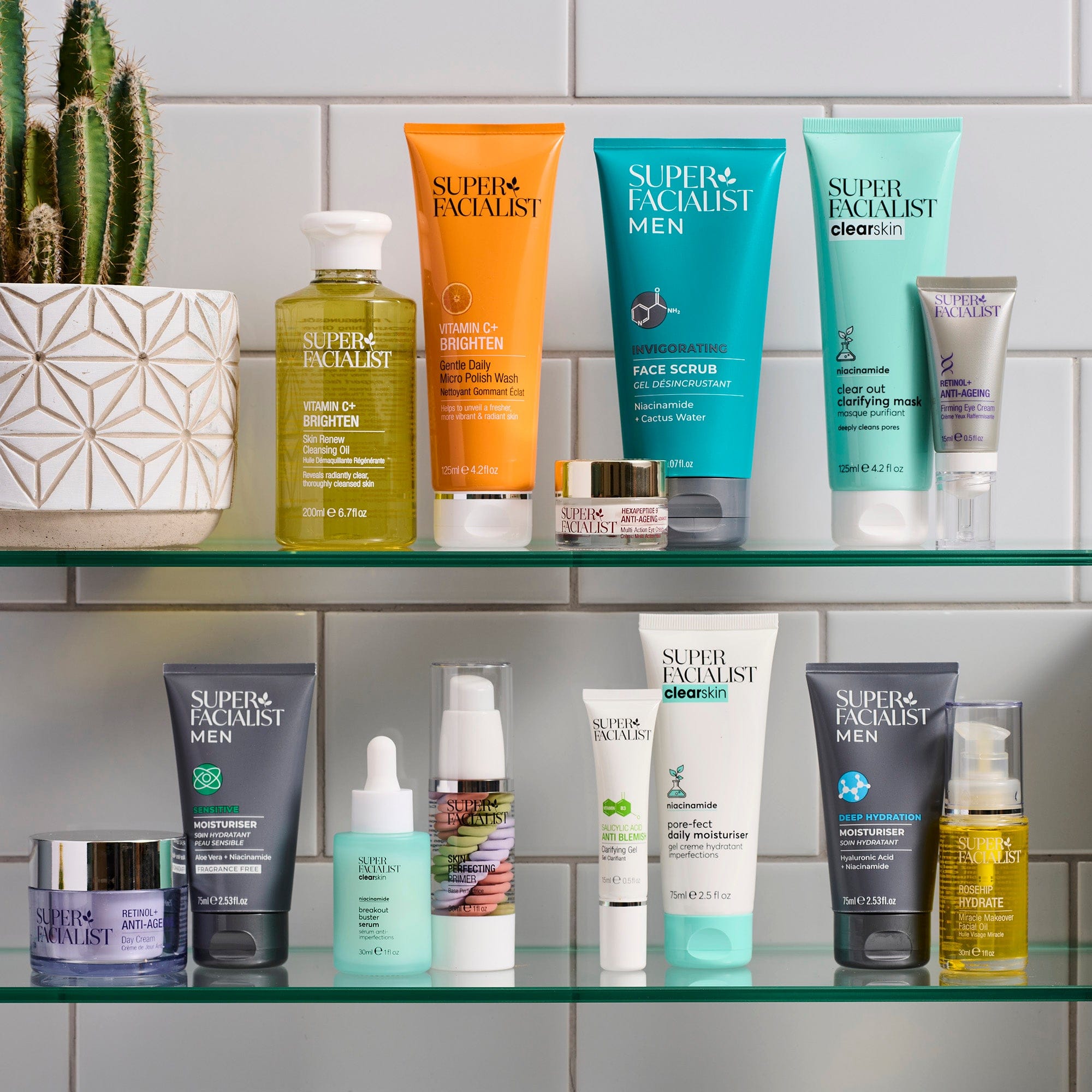
Credit: www.superfacialist.co.uk
Quick Reference: Skincare Essentials By Season
| Season | Cleanser | Moisturizer | Sunscreen | Extra Step |
|---|---|---|---|---|
| Winter | Cream | Rich cream/oil | SPF 30+ | Humidifier |
| Spring | Gentle gel | Gel-cream | SPF 30+ | Exfoliation |
| Summer | Foaming | Gel | SPF 30+ (water-resistant) | Blotting paper |
| Fall | Creamy | Thicker cream | SPF 30+ | Repair serum |
Two More Advanced Tips
- Patch test new products at every seasonal change. Skin may react differently as the weather shifts.
- Don’t forget about air travel. Flying dries out skin quickly, no matter the season. Use a hydrating mist before, during, and after flights.
Where To Learn More
If you want to dive deeper into ingredient science, product reviews, and dermatology-backed advice, explore the American Academy of Dermatology.
Frequently Asked Questions
What’s The Most Important Skincare Step In Every Season?
Sunscreen is essential all year. UV rays cause aging, sunburn, and skin cancer—even on cloudy or cold days.
Should I Change My Cleanser With The Seasons?
Yes. Use a gentle, hydrating cleanser in fall and winter. Switch to a foaming or gel cleanser in spring and summer to remove sweat and oil.
How Can I Prevent Dry Skin In Winter?
Use a thick moisturizer, add a humidifier, and take shorter, lukewarm showers. Don’t over-exfoliate, and apply moisturizer right after washing.
What If I Have Sensitive Skin And Allergies In Spring?
Choose fragrance-free products. Rinse your face after being outdoors, and use antioxidant serums to calm irritation.
Do Men Need A Different Skincare Routine Than Women?
The basics are the same, but men may need extra care after shaving and should focus on oil control if they have oily skin. Both need sunscreen, cleansing, and moisturizing.
Skincare is not one-size-fits-all, but with the right adjustments for the season and your state’s climate, you can keep your skin healthy and glowing every day of the year.

Credit: www.oskiaskincare.com