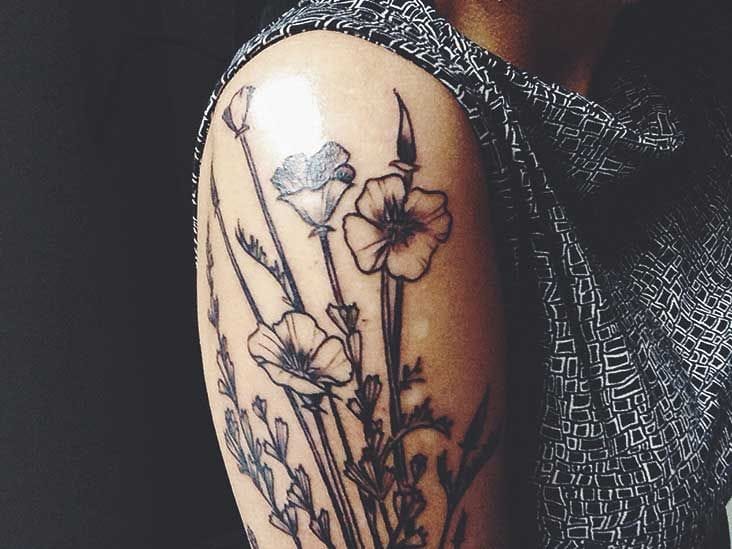
Tattoos are more popular than ever. But how do they affect skin hygiene?
Understanding the impact of tattoos on skin hygiene is essential. Tattoos are a form of body art that involves injecting ink into the skin. This process can affect your skin’s health and cleanliness. Maintaining good hygiene is crucial for preventing infections and other complications.
Proper care ensures your tattoo looks great and your skin stays healthy. In this blog post, we’ll explore the relationship between tattoos and skin hygiene. We’ll discuss why hygiene matters for tattooed skin and what you need to know to keep your ink and skin in top condition. Stay tuned for essential tips and insights.
Introduction To Tattoos
Introduction paragraph about The Impact of Tattoos on Skin Hygiene: What You Need to Know and Introduction to Tattoos…
Tattoos have been a part of human culture for centuries. They carry deep meanings and reflect personal stories. In modern times, tattoos have become a popular form of self-expression and art. But what impact do tattoos have on skin hygiene? This blog will explore the cultural significance and popularity trends of tattoos.
Cultural Significance
Tattoos hold significant cultural value across different societies. They often symbolize rites of passage, identity, or social status. Here are some cultural aspects of tattoos:
- Ancient Tribes: Many ancient tribes used tattoos to signify bravery and achievements.
- Spiritual Beliefs: Some cultures use tattoos as a part of spiritual and religious practices.
- Japanese Irezumi: Traditional Japanese tattoos, known as Irezumi, are deeply rooted in history and carry specific meanings.
Below is a table summarizing the cultural significance of tattoos in different regions:
| Region | Cultural Significance |
|---|---|
| Polynesia | Rites of passage, social status |
| Japan | Spiritual, decorative art |
| Maori (New Zealand) | Tribal identity, genealogy |
| Western Cultures | Personal expression, rebellion |
Understanding these cultural contexts can give deeper insights into the art of tattooing. It shows how tattoos transcend mere decoration.
Popularity Trends
The popularity of tattoos has surged over the past few decades. This rise is evident across various demographics. Key trends include:
- Millennials and Gen Z: These younger generations are the largest consumers of tattoos today.
- Social Media Influence: Platforms like Instagram and Pinterest have fueled the tattoo craze.
- Celebrity Endorsements: Many celebrities proudly display their tattoos, influencing fans.
Here is a brief overview of tattoo popularity trends over the years:
| Year | Trend |
|---|---|
| 1990s | Rebellion, subculture |
| 2000s | Mainstream acceptance |
| 2010s | Artistic expression, diversity |
| 2020s | Personal stories, social media influence |
As tattoos become more mainstream, they reflect changing societal attitudes. Tattoos are no longer seen as taboo but as a form of art and personal expression. This shift has led to increased demand for skilled tattoo artists and safer tattooing practices.
Skin Integrity And Tattoos
Tattoos have become a popular form of self-expression. They are beautiful but can impact skin hygiene and integrity. Understanding these effects helps maintain healthy skin. Let’s explore how tattoos affect skin and the healing process.
How Tattoos Affect Skin
When you get a tattoo, a needle punctures the skin to deposit ink. This process can affect the skin in several ways:
- Skin barrier disruption: The needle breaks the skin’s barrier, making it vulnerable.
- Inflammation: The body reacts to the ink and needle, causing redness and swelling.
- Risk of infection: Open skin can invite bacteria, leading to infections.
Here is a table summarizing the effects:
| Effect | Description |
|---|---|
| Skin barrier disruption | Needle breaks the skin’s barrier, increasing vulnerability. |
| Inflammation | Redness and swelling due to body’s reaction to ink and needle. |
| Infection risk | Open skin can allow bacteria in, causing infections. |
Proper care is essential to prevent infections. Clean the area with mild soap and water. Avoid touching or scratching the tattoo. Moisturize it with a suitable lotion.
Healing Process
The healing process of a tattoo is crucial. It affects skin integrity and overall appearance. Here’s a step-by-step guide:
- Initial healing (1-2 weeks): The skin may be red and swollen. Scabs and peeling are common.
- Intermediate healing (2-4 weeks): Scabs fall off. Skin starts to look normal but may still be sensitive.
- Full healing (4-6 weeks): The tattoo looks clear. The skin is fully healed.
During the healing process, follow these tips:
- Keep the tattoo clean and dry.
- Avoid direct sunlight.
- Do not submerge in water, like swimming pools.
- Use a gentle moisturizer to prevent dryness.
Consult a healthcare professional if you notice signs of infection, like increased redness, pain, or pus.
Hygiene Practices Pre-tattoo
Tattoos have become a popular form of self-expression. But, it’s important to understand their impact on skin hygiene. Proper hygiene practices before getting a tattoo can prevent infections and ensure a healthy healing process. This section will guide you through essential steps to take before getting inked.
Choosing A Reputable Artist
Selecting the right tattoo artist is crucial for both the quality of your tattoo and your skin’s health. Here are key factors to consider:
- Experience: An experienced artist will have a portfolio of their work. Ask to see it.
- Cleanliness: The studio should be clean. Look for proper sanitation practices.
- Certification: Ensure the artist is certified. This ensures they follow health regulations.
- Reviews: Read reviews from previous clients. This can provide insights into their reputation.
Visiting the studio before your appointment can also be helpful. Observe the environment and see if the artist and staff use gloves and sterilized equipment. A reputable artist will also be willing to answer any questions you have about the process and aftercare. Ensuring these practices can prevent infections and other skin issues.
Preparing The Skin
Preparing your skin before getting a tattoo is just as important as choosing the right artist. Here are some steps to follow:
- Hydrate: Drink plenty of water. Well-hydrated skin is healthier and more elastic.
- Avoid Sun Exposure: Do not get sunburned. Sunburned skin can affect the tattooing process.
- Shave the Area: Shave the area where you will get the tattoo. This helps the artist work more easily.
- Moisturize: Keep your skin moisturized. Dry skin can make the tattooing process more difficult.
- Avoid Alcohol: Do not drink alcohol the night before. Alcohol can thin your blood and increase bleeding.
Following these steps can ensure your skin is in the best condition for a tattoo. It can also help in faster healing post-tattoo. Remember, well-prepared skin not only helps in getting a better tattoo but also reduces the risk of complications.
Credit: www.healthline.com
Post-tattoo Care
Tattoos are a beautiful form of self-expression, but they come with responsibilities. Proper post-tattoo care is essential for maintaining skin hygiene and ensuring the tattoo heals well. Neglecting post-tattoo care can lead to infections and damage to the artwork. Here’s everything you need to know about caring for your tattoo after you leave the parlor.
Cleaning The Tattoo
Cleaning your tattoo is crucial for preventing infections and promoting healing. Follow these steps to ensure your tattoo stays clean and healthy:
- Wash your hands thoroughly before touching your tattoo.
- Remove the bandage after the time recommended by your tattoo artist, usually within 2-4 hours.
- Gently wash the tattoo with lukewarm water and a mild, fragrance-free soap. Avoid scrubbing.
- Pat the area dry with a clean paper towel or let it air dry. Do not rub.
- Repeat this process 2-3 times a day for the first week.
Here’s a table summarizing the cleaning steps:
| Step | Description |
|---|---|
| Hand Washing | Ensure hands are clean before touching the tattoo |
| Bandage Removal | Remove after 2-4 hours, as per artist’s advice |
| Gentle Washing | Use lukewarm water and mild soap, avoid scrubbing |
| Drying | Pat dry with a clean paper towel or air dry |
| Repetition | Clean 2-3 times a day for the first week |
Moisturizing Techniques
Moisturizing your tattoo is essential for keeping the skin hydrated and promoting proper healing. Here are some effective moisturizing techniques:
- Choose the right moisturizer: Use a fragrance-free, hypoallergenic lotion or a specific tattoo aftercare product recommended by your artist.
- Apply a thin layer of moisturizer after each cleaning session. Avoid applying too much, as this can suffocate the skin and cause issues.
- Gently massage the lotion into the skin until it is fully absorbed.
- Repeat this process 2-3 times a day for the first two weeks.
- Switch to a regular, gentle moisturizer after the initial two weeks to keep the skin healthy.
Remember these tips for effective moisturizing:
- Avoid petroleum-based products as they can clog pores.
- Do not let the tattoo dry out completely, as this can cause scabbing and damage the design.
- Monitor the area for any signs of allergic reactions or infections.
Proper cleaning and moisturizing are key to a healthy and vibrant tattoo. Follow these steps diligently to enjoy your artwork for years to come.
Common Skin Issues
Getting a tattoo can be an exciting experience. But it is essential to understand the potential impact on skin hygiene. One of the key aspects to consider is the common skin issues that may arise. Knowing these can help you take better care of your tattooed skin and avoid complications.
Infections
Infections are one of the most common skin issues associated with tattoos. This can happen if the tattooing equipment is not properly sterilized or if aftercare instructions are not followed. Bacteria and other pathogens can easily enter the skin through the tiny punctures made by the tattoo needle.
Some signs of infection include:
- Redness and swelling
- Pain and tenderness
- Oozing of pus
- Fever
If you notice any of these symptoms, it is important to seek medical advice promptly. Delaying treatment can lead to more serious issues like cellulitis or even sepsis.
To prevent infections, ensure that the tattoo artist follows strict hygiene practices. This includes using disposable gloves, sterilized needles, and clean work surfaces. Aftercare is equally important:
- Keep the tattooed area clean and dry.
- Wash your hands before touching the tattoo.
- Avoid swimming and exposure to direct sunlight.
- Follow the aftercare instructions given by your tattoo artist.
Allergic Reactions
Allergic reactions are another common issue. These can occur if you are allergic to the ink used in the tattoo. Symptoms can vary from mild irritation to severe reactions.
Common symptoms include:
- Itching and rash
- Redness and swelling
- Blistering
- Hives
Some people may experience a delayed allergic reaction, which can appear weeks or even months after getting the tattoo. If you experience severe symptoms like difficulty breathing or swelling of the face, seek immediate medical attention.
To minimize the risk of allergic reactions, discuss any known allergies with your tattoo artist. They might recommend a patch test using a small amount of ink on a hidden part of your skin. This can help identify potential allergic reactions before proceeding with the full tattoo.
Here is a quick table summarizing the symptoms and actions:
| Symptom | Action |
|---|---|
| Itching and rash | Apply a cold compress and over-the-counter antihistamines. |
| Redness and swelling | Keep the area clean and apply anti-inflammatory creams. |
| Blistering | Avoid popping the blisters; consult a doctor. |
| Hives | Seek medical advice for appropriate treatment. |

Credit: www.drkarunhematology.com
Long-term Skin Health
Having a tattoo is a form of self-expression. Yet, it’s essential to understand how tattoos affect long-term skin health. Tattoos can impact the skin in various ways. Understanding these effects can help you maintain your skin’s health over time. This blog post will explore the impact of tattoos on skin hygiene, focusing on long-term skin health.
Effects Of Sun Exposure
Sun exposure can have a significant impact on tattooed skin. The sun’s UV rays can cause damage to both the ink and your skin. Here are some key points to consider:
- Fading: UV rays can break down the ink particles in your tattoo. This can cause the colors to fade over time.
- Discoloration: Sun exposure can change the color of your tattoo. For instance, black ink may turn greenish or bluish.
- Skin Damage: UV rays can cause your skin to age prematurely. This can lead to wrinkles and make your tattoo look less vibrant.
Using sunscreen with a high SPF can help protect your tattoo. It’s also advisable to cover your tattoo with clothing when you are out in the sun. This is especially important in the first few months after getting a new tattoo.
Here is a simple table that shows how different SPF levels can protect your tattooed skin:
| SPF Level | UVB Protection |
|---|---|
| 15 | 93% |
| 30 | 97% |
| 50 | 98% |
Aging And Tattoos
Aging can also affect how your tattoo looks over time. As you age, your skin changes. Here are some ways aging impacts tattoos:
- Skin Elasticity: As you age, your skin loses elasticity. This can cause your tattoo to stretch and distort.
- Wrinkles: Wrinkles can make the lines of your tattoo less sharp. This can affect the overall appearance of the tattoo.
- Skin Texture: Aging can change the texture of your skin. This can make your tattoo look different than it did when you first got it.
To keep your tattoo looking its best as you age, it’s important to take care of your skin. Keeping your skin moisturized can help maintain its elasticity. Eating a healthy diet and staying hydrated can also promote skin health.
Here are some tips to maintain your tattoo’s appearance as you age:
- Use moisturizer regularly.
- Stay hydrated by drinking plenty of water.
- Eat a balanced diet rich in vitamins and minerals.
In summary, tattoos can impact long-term skin health. By understanding how sun exposure and aging affect your tattoo, you can take steps to keep your skin and tattoo looking great over the years.
Myths About Tattoos And Hygiene
Tattoos have been a part of human culture for centuries. Despite their popularity, many myths surround tattoos and skin hygiene. This misinformation can create unnecessary fear. Let’s explore some common myths about tattoos and hygiene and uncover the truth.
Dispelling Misconceptions
Many believe tattoos lead to poor skin hygiene. This is untrue. Clean and professional tattoo practices maintain skin health. Here are some common misconceptions:
- Myth: Tattoos prevent the skin from breathing.
- Reality: The skin does not breathe. It absorbs and excretes substances, but tattoo ink does not block these processes.
- Myth: Tattoos increase the risk of skin infections.
- Reality: Proper aftercare minimizes infection risks. Infections occur due to poor hygiene, not the tattoo itself.
- Myth: Tattoo ink poisons the skin.
- Reality: Reputable tattoo inks are safe. They are tested and regulated for human use.
Avoiding infections involves understanding these myths. Ensure your tattoo artist follows safety standards. Use sterile equipment and high-quality ink.
| Myth | Reality |
|---|---|
| Tattoos stop skin from breathing | Skin does not breathe; tattoos do not interfere with skin function |
| Tattoos cause skin infections | Infections are rare with proper aftercare |
| Tattoo ink is toxic | Regulated inks are safe |
Knowing the truth empowers you to make informed decisions about tattoos. Hygiene is crucial, but myths should not deter you from getting a tattoo.
Fact Vs Fiction
Separating fact from fiction is key to understanding tattoos and skin hygiene. Here are some points to consider:
- Fiction: Tattoos cause permanent skin damage.
- Fact: Tattoos involve minor skin trauma, which heals over time. Proper care ensures healthy skin.
- Fiction: All tattoo inks are the same.
- Fact: Inks vary in quality. High-quality inks are safer and cause fewer reactions.
- Fiction: Tattoos fade quickly.
- Fact: With proper care, tattoos can last a lifetime. Sun protection and moisturizing help maintain their appearance.
It is essential to follow aftercare instructions given by your tattoo artist. Keeping the tattoo clean and moisturized helps in healing. Avoid exposing new tattoos to direct sunlight or submerging them in water.
Choosing a reputable tattoo artist also matters. Look for those with good reviews and clean studios. Ensure they use sterilized equipment and new needles for each client.
Understanding the facts helps in making better choices. Tattoos can be a safe and beautiful form of self-expression.

Credit: www.instagram.com
Future Trends In Tattoo Aftercare
Getting a tattoo is a big decision, and taking care of your skin afterward is crucial. The impact of tattoos on skin hygiene cannot be ignored. As the tattoo industry grows, future trends in tattoo aftercare are emerging to ensure your ink stays vibrant and your skin stays healthy. Let’s explore some of these exciting new trends.
Innovative Products
Advancements in tattoo aftercare products are making it easier to care for your skin. These innovations focus on faster healing, less irritation, and enhanced hygiene. Here are some of the newest products:
- Antibacterial creams: These creams not only keep infections at bay but also reduce redness and swelling.
- Hydrocolloid patches: These patches create a moist environment, speeding up the healing process and protecting the tattoo from external irritants.
- Silicone gels: They help in reducing scars and improving the texture of the tattooed skin.
Check out the table below for a quick comparison:
| Product | Benefits |
|---|---|
| Antibacterial Creams | Prevent infections, reduce redness |
| Hydrocolloid Patches | Speed up healing, protect from irritants |
| Silicone Gels | Reduce scars, improve texture |
These products are making aftercare simpler and more effective. They cater to various skin types and tattoo styles, ensuring everyone can find a suitable option.
Evolving Practices
Tattoo aftercare practices are evolving with new knowledge and techniques. Tattoo artists and dermatologists are working together to develop better aftercare methods. Here are some of the latest practices:
- Frequent moisturizing: Keeping the tattooed area moisturized helps prevent dryness and peeling. This keeps the ink looking fresh.
- Avoiding direct sunlight: Sun exposure can fade tattoos and damage the skin. Using sunscreen or covering the tattoo when outdoors is essential.
- Gentle cleaning: Washing the tattoo with mild, fragrance-free soap and lukewarm water keeps the area clean without causing irritation.
These evolving practices highlight the importance of proper care. They help maintain the beauty and longevity of your tattoos. It is essential to follow these practices diligently, especially in the initial weeks post-tattooing.
By adopting these new products and practices, you can ensure your tattoo remains a stunning piece of art while keeping your skin healthy and hygienic.
Frequently Asked Questions
Can Tattoos Affect Skin Hygiene?
Yes, tattoos can affect skin hygiene. Proper aftercare is crucial to prevent infections. Always follow your tattoo artist’s aftercare instructions.
How To Clean A New Tattoo?
Gently wash your new tattoo with mild soap and water. Pat it dry with a clean towel. Avoid scrubbing.
Are Tattoos Safe For Sensitive Skin?
Tattoos can be safe for sensitive skin if done by a professional. Always perform a patch test before proceeding.
Can Tattoos Cause Skin Infections?
Improper aftercare can lead to skin infections. Keep your tattoo clean and avoid touching it with dirty hands.
Conclusion
Tattoos can affect skin hygiene, but proper care helps maintain health. Clean the area regularly to prevent infections. Use gentle, non-scented products to avoid irritation. Moisturize to keep the skin supple. Follow your tattoo artist’s aftercare advice closely. Remember, healthy skin equals beautiful tattoos.
With attention and care, you can enjoy your tattoos without compromising skin hygiene. So, stay informed and prioritize your skin’s health. Happy inking!